

HSE Management System
Oil India Limited is fully committed to Safety, Health & Environment and the same is reflected in the HSE functions and systems that have become part and parcel of the total management and work culture of OIL. These systems provide structured paths for improvement of communication, accomplishment of goals, development of personnel and overall improvement of business process. Safety, Health & Environment is an integral part of our business performance. An integrated approach has been established for interlinking all types of disciplines/ activities with HSE matters to demonstrate proactive Safety culture.
HSE Management is an integral part of overall management system at OIL right from inception, realizing that higher productivity can only be achieved through safe procedures and practices. Hence, HSE Management became the focal point of all developmental activities. To provide direction for various safety related activities and to ensure adequacy of funds for effective implementation of these activities, OIL has a separate department with dedicated and well qualified personnel with well-defined HSE Policy wherein the Company is committed to safety of its employees and the people, machines and environment associated with it including those living in the neighbourhood.
HSE Policy in OIL lays stress on safe facilities and work environment, safe work procedures and effective training for prevention of accidents and consequent downtime and maintain highest standards of occupational health, safety and environmental protection.
To meet the above objective, OIL has established policies, systems, procedures and guidelines to achieve world class HSE standard as detailed below:-
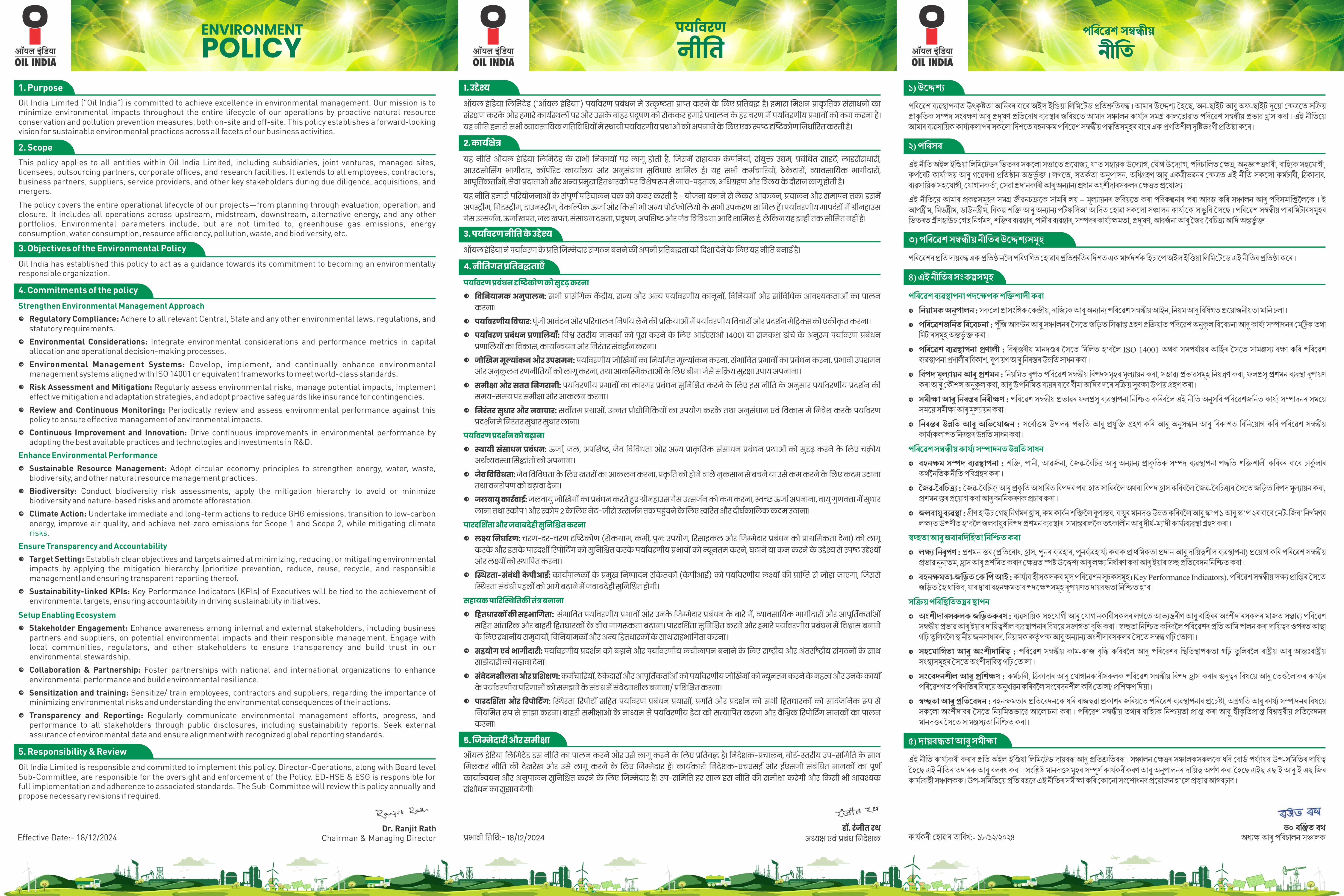

- HSE Policy
- Zero Tolerance Policy for Operation and Safety
Safety Management System
The OIL Safety Management System is to provide the framework and structure for the delivery of the highest level of HSE Performance in accordance with the best exploration, production and transportation practice. The SMS will be continually evolved to respond to changing needs and emerging operational requirements as the organization is going through a period of transition. Amongst the various documents in the HSE management system, the manual is the most important and essential document. The specific purpose of the Manual is to document the core elements of the HSE management system, their relationship and interaction.
- Accident Reporting, Investigation and Analysis
- Management of Change
- Stop Work Authority
- Safety Campaign and other activities
- Occupational Health Monitoring
- HSE Trainings
- Performance monitoring and system evaluation
- Contractor Personnel Safety Management
- Hazard Identification & Risk Assessment
- Audits, Inspections and Compliance Monitoring
- Emergency Preparedness & Mock Drills
- Permit to Work
- Standard Operating Procedures
- Safety Critical Equipment Bypass and Restoration Management
- Personal Protective Equipment
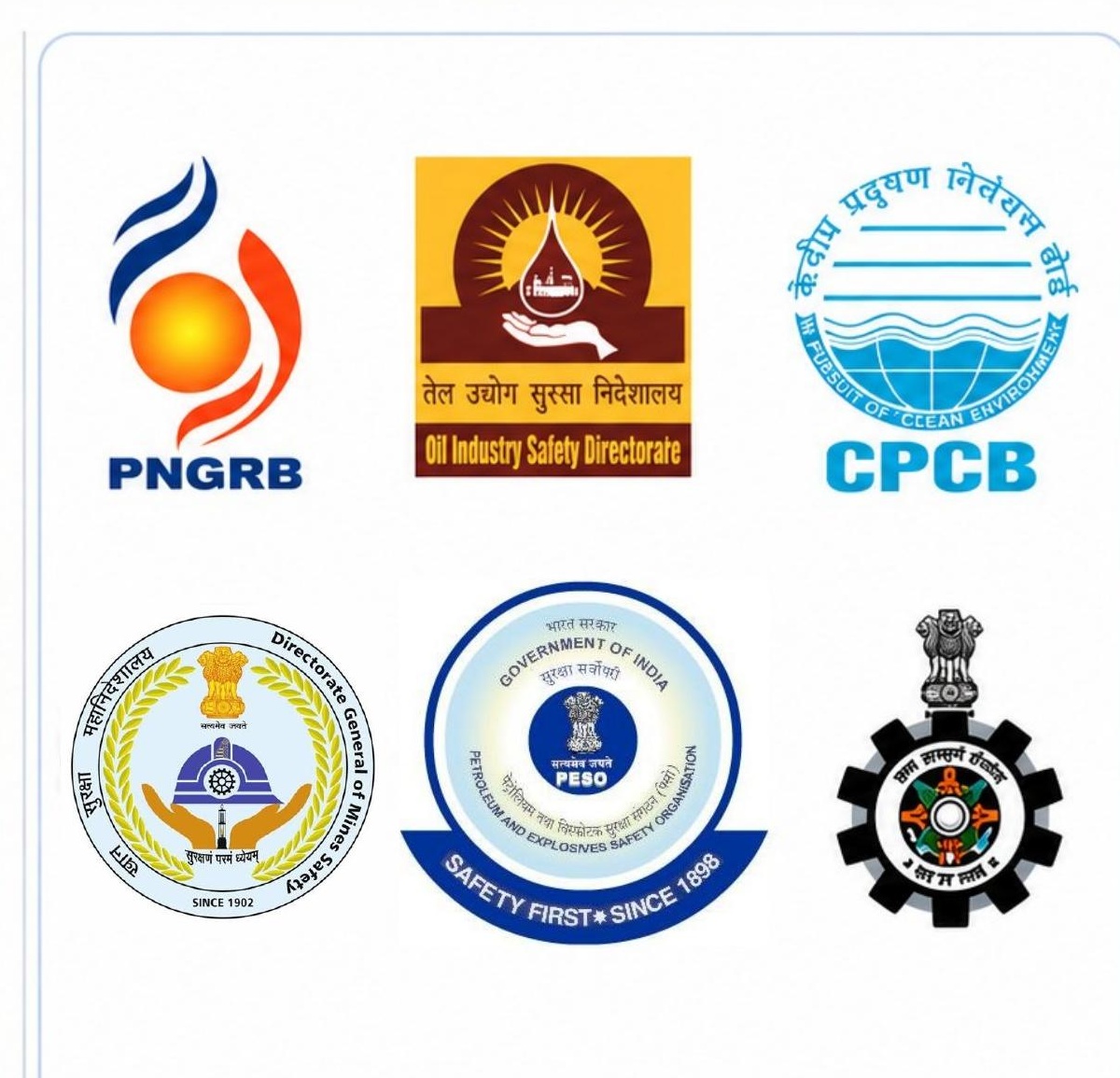
Statutory & Regulatory Authorities
- Directorate General of Mines Safety (DGMS)
- Directorate General of Occupational Safety & Health (DGOSH)
- Oil Industry Safety Directorate (OISD)
- Petroleum and Natural Gas Regulatory Board (PNGRB)
- Petroleum & Explosives Safety Organization (PESO)
- Central & State Pollution Control Board (CPCB & SPCB)
- Commissioner of Labor
Monitoring & Compliance
- Ambient Air Quality Monitoring at installations
- Stack Monitoring of DG sets
- Noise Level Monitoring at installations
- Noise reduction through acoustic enclosures and sound barriers
- Internal Environmental Audit
- Third-party environmental audits for independent assessment of environmental compliance and performance wherever applicable
- Compliance with applicable environmental regulations and EC/FC conditions
Waste & Water Management
- Use of water-based drilling mud to minimize environmental impacts
- Disposal of e-waste through authorized recyclers
- Disposal of batteries through authorized recyclers
- Used oil channelized to authorized recyclers
- Hazardous waste managed and disposed through authorized TSDFs and other authorized agencies, as applicable
- Drilling installations equipped with ETPs
- Produced water re-injection for reservoir pressure maintenance and groundwater conservation – PRISM
- Clean and well-maintained Water Injection Stations and Boiler Batteries under NIRMAL initiative
Operational Environmental Management
- Reduction of flaring and diversion of recovered gas to the grid for energy recovery and reduction of GHG emissions
- Oil Spill Contingency Plan and emergency response measures are in place
- Well abandonment and site restoration are carried out in accordance with OIL’s approved “Well Abandonment, Site Restoration and Reclamation Policy 2021”
- Flare pits enclosed to minimize heat, light and associated environmental impacts
- Enhanced operational reliability, safety, equipment life and efficiency through NIRMAL
- Use of Diesel Oxidation Catalysts (DOC) for reducing emissions from diesel-powered equipment
Climate, Biodiversity & Sustainability
- Bioremediation of oily sludge using in-house developed microbial technology
- Subsidence and biodiversity studies undertaken as recommended by statutory authorities
- Mass tree plantation at abandoned well sites to mitigate GHG emissions and offset carbon footprint
- Support to the Assam Forest Department through funding and coordination for compensatory afforestation, plantation and forest management activities in OIL’s operational areas
- Promoting clean energy through gas, solar and wind energy
- Promoting Rain Water Harvesting in various installations
- Pilot project on hydrogen blending as an initiative towards cleaner energy and GHG emission reduction
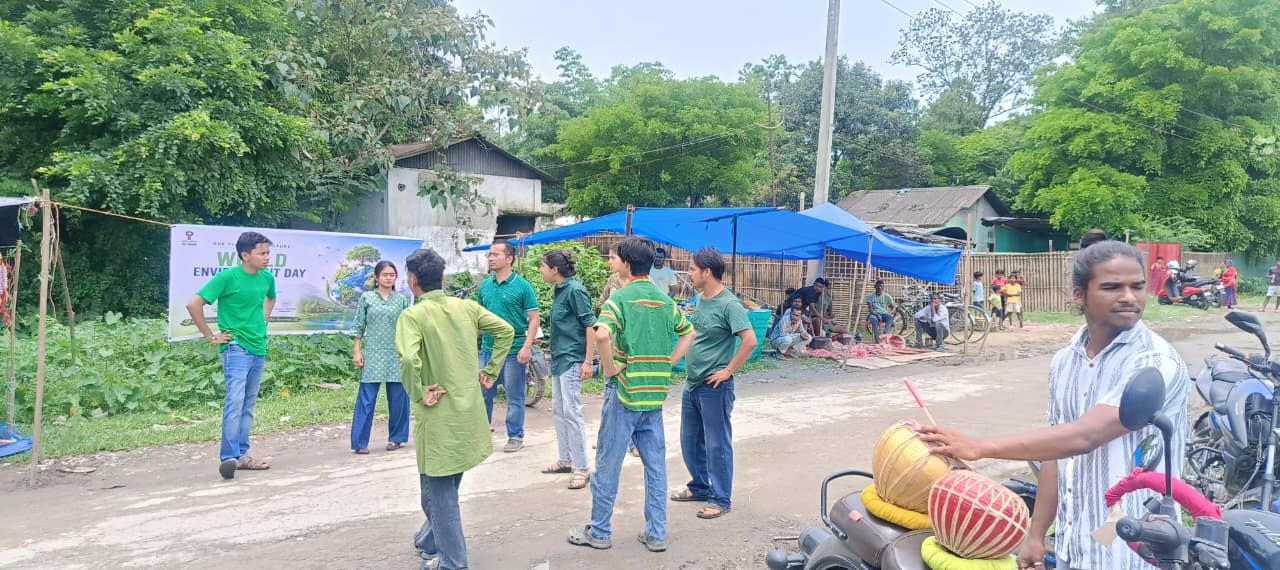
- Observance of World Environment Day

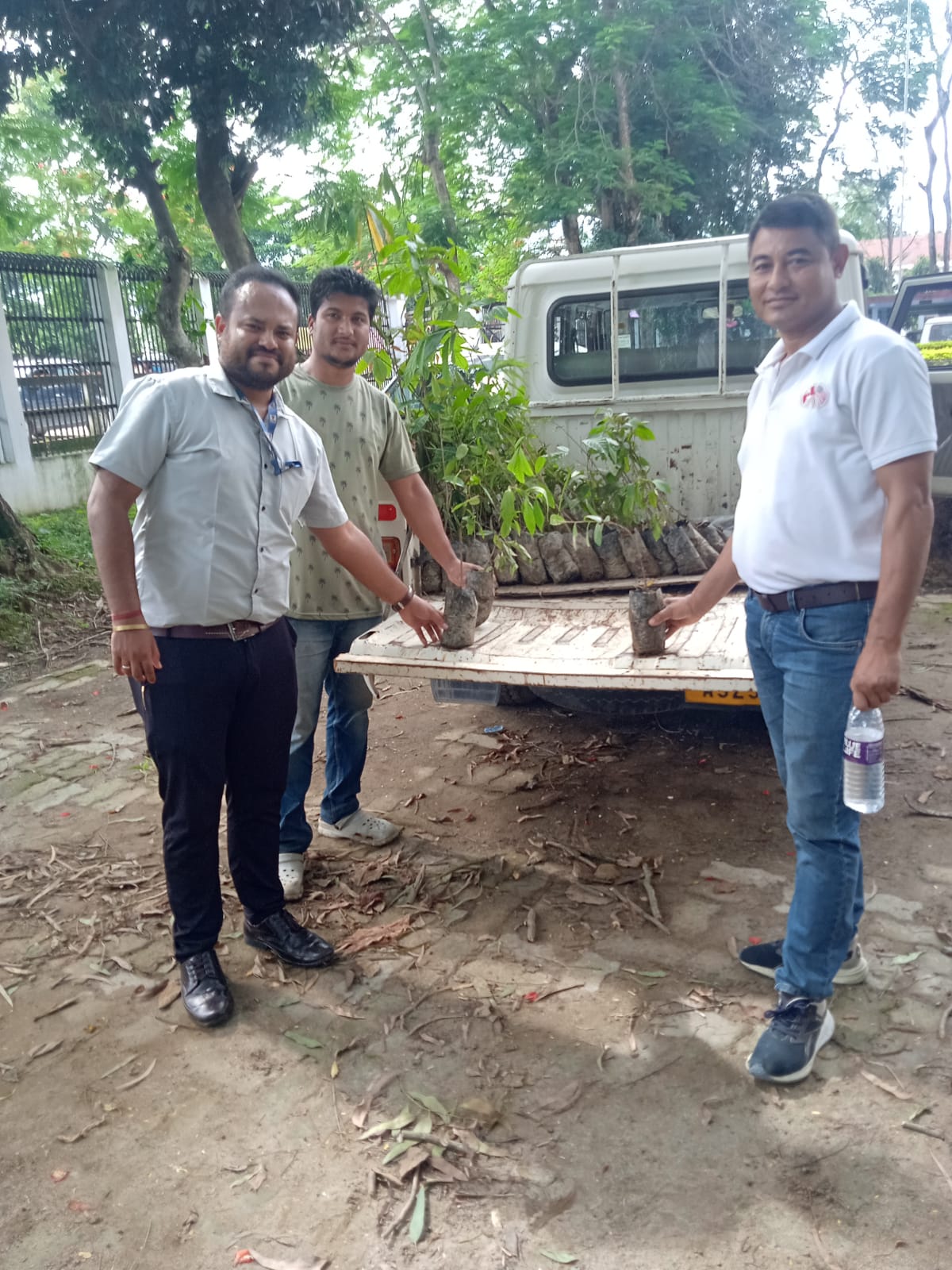
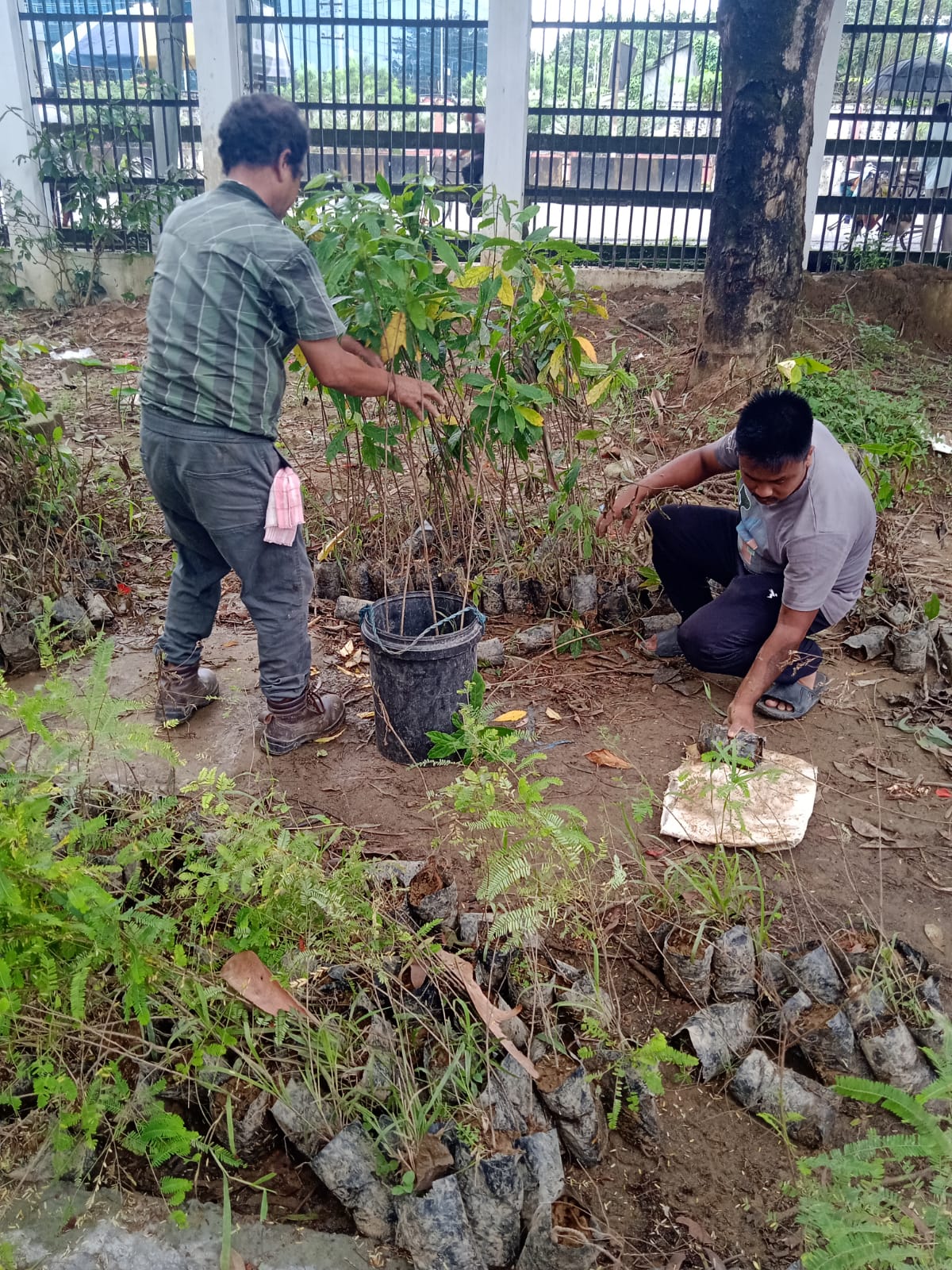


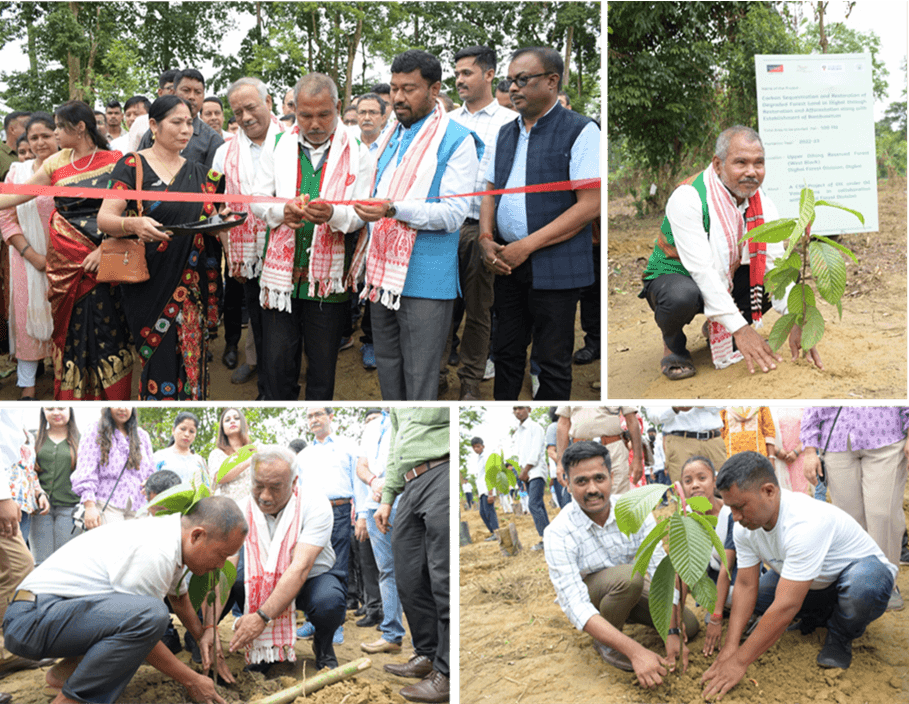
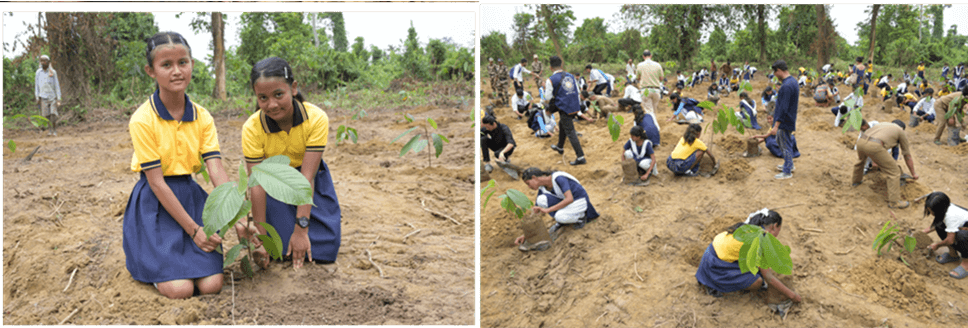
Adding momentum to the Govt. of India’s ‘Azadi Ka Amrit Mahotsav’ campaign, OIL India Limited under CSR project Vasundhara ceremoniously launched the mega plantation drive of 2500 nos. of saplings at Bogapani, Digboi Forest Division, Tinsukia District, Assam on 11th June 2022. This was done as part of the ‘Carbon Sequestration and Eco-restoration project’ a CSR initiative of OIL towards eco-restoration of the degraded forest land under Lakhipathar range of Upper Dihing Reserved Forest (West Block).
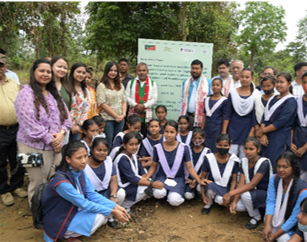
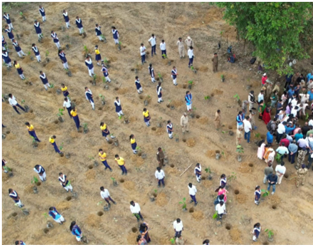
- Plantation & Eco-Restoration – 2022:
Adding momentum to the Government of India’s ‘Azadi Ka Amrit Mahotsav’ campaign, OIL under its CSR project Vasundhara launched a mega plantation drive of 2,500 saplings at Bogapani, Digboi Forest Division, Assam, towards carbon sequestration and eco-restoration of degraded forest land. - Amrit Brikshya Andolan – 2025:
OIL has provided financial assistance for the creation of a 5 Ha nursery under the Khowang Range of Dibrugarh Forest Division, contributing to the Government of Assam’s Amrit Brikshya Andolan (ABA), 2025 initiative. - World Environment Day – 2026:
OIL celebrated World Environment Day 2026 at Duliajan under the theme “Inspired by Nature. For Climate. For Our Future.”, reaffirming its commitment to environmental stewardship and sustainable practices. - Ceremonial Plantation Drive – 2026:
As part of World Environment Day 2026, OIL organised a ceremonial plantation drive, symbolising the Company’s commitment towards a greener and more sustainable future. - Environmental Awareness & Community Outreach:
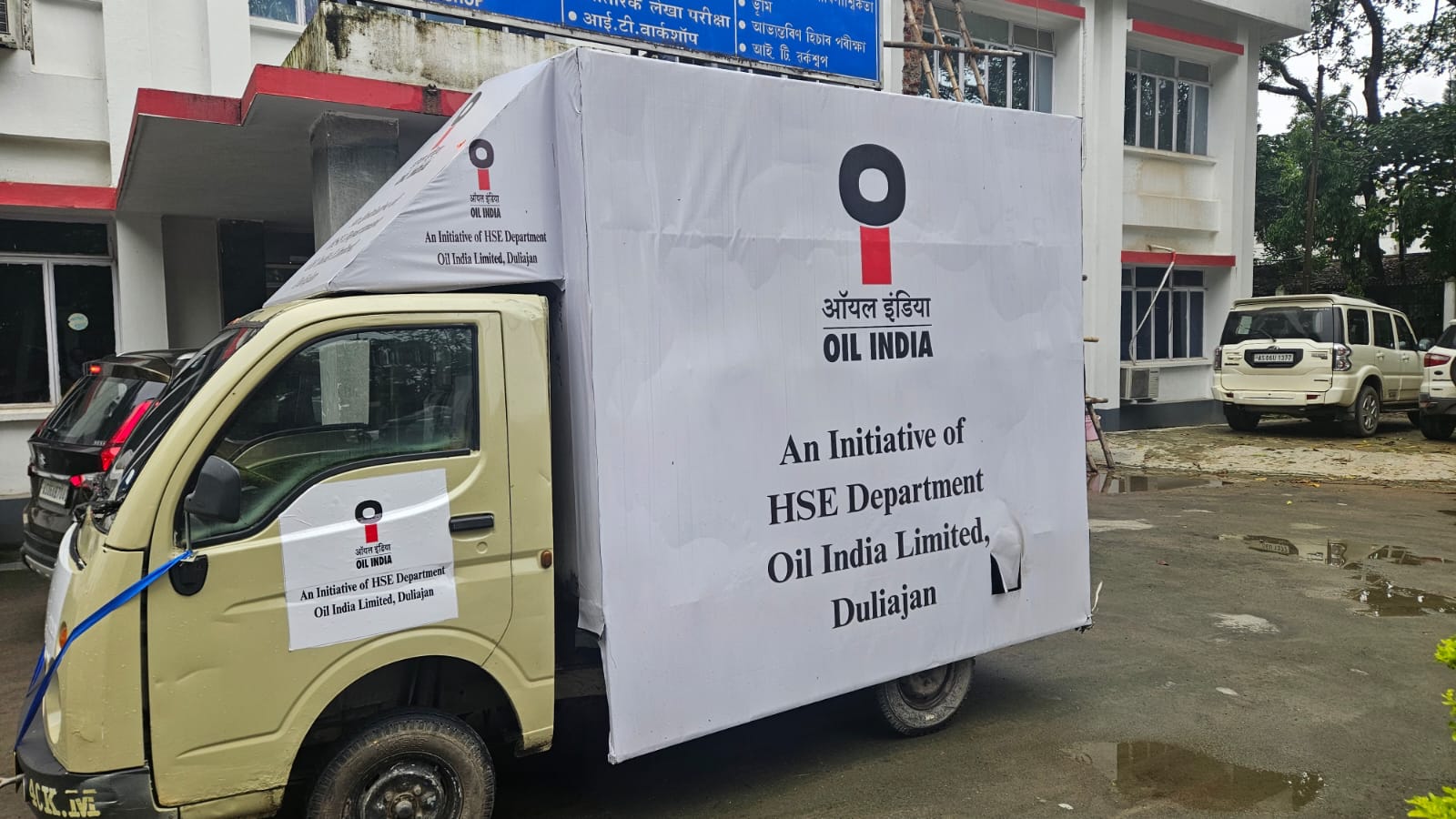
OIL flagged off an HSE Awareness Publicity Van to carry safety and environmental awareness messages directly to communities through awareness videos. - Biodiversity Conservation:
OIL continues to promote awareness on biodiversity conservation, inspiring communities and young students to become active custodians of nature. - Climate & Sustainable Living Awareness:
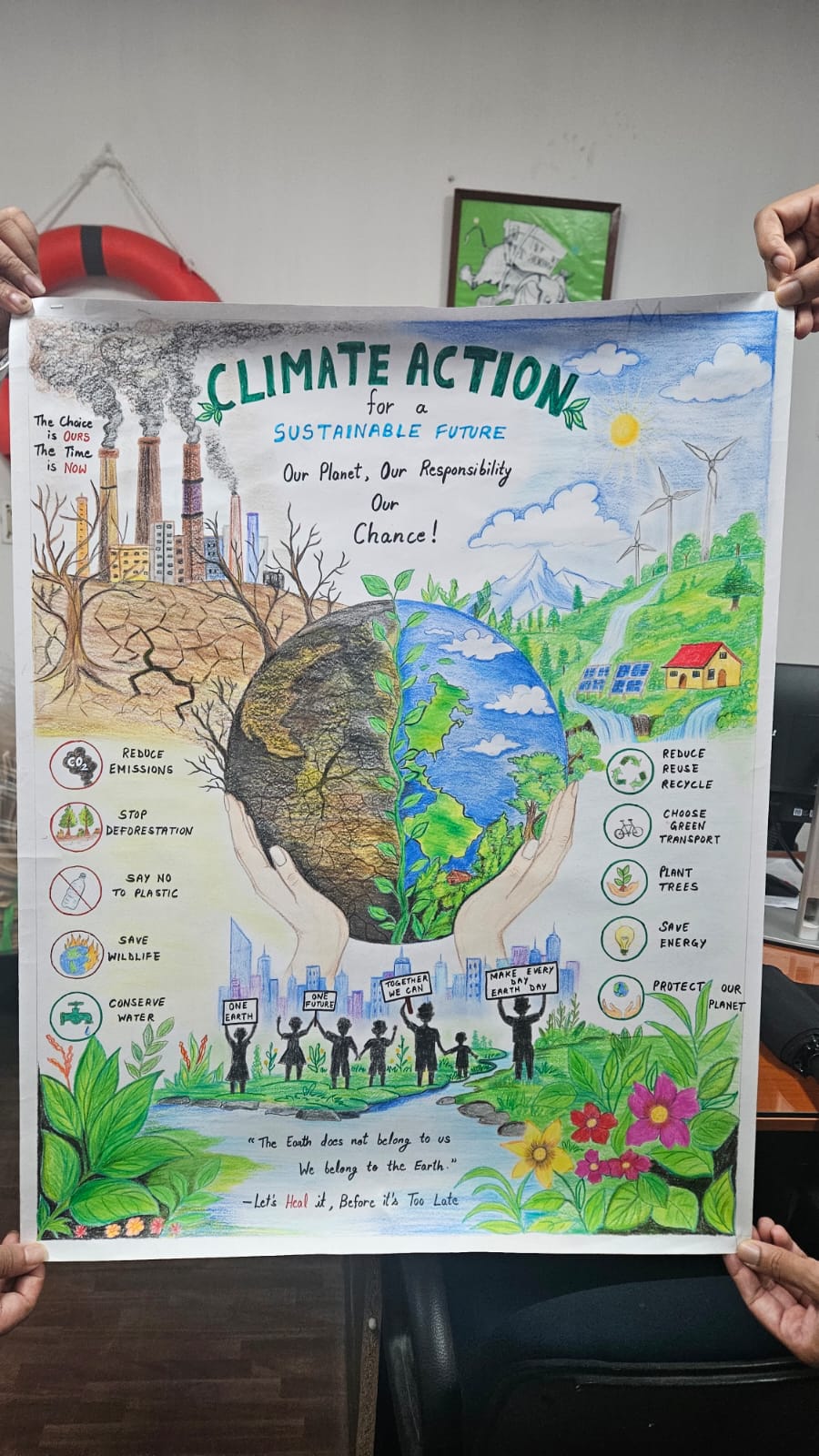
Through student-focused activities, OIL promoted awareness on climate change, conservation and sustainable living, encouraging greater environmental responsibility among the younger generation. - Environmental Education & Engagement:
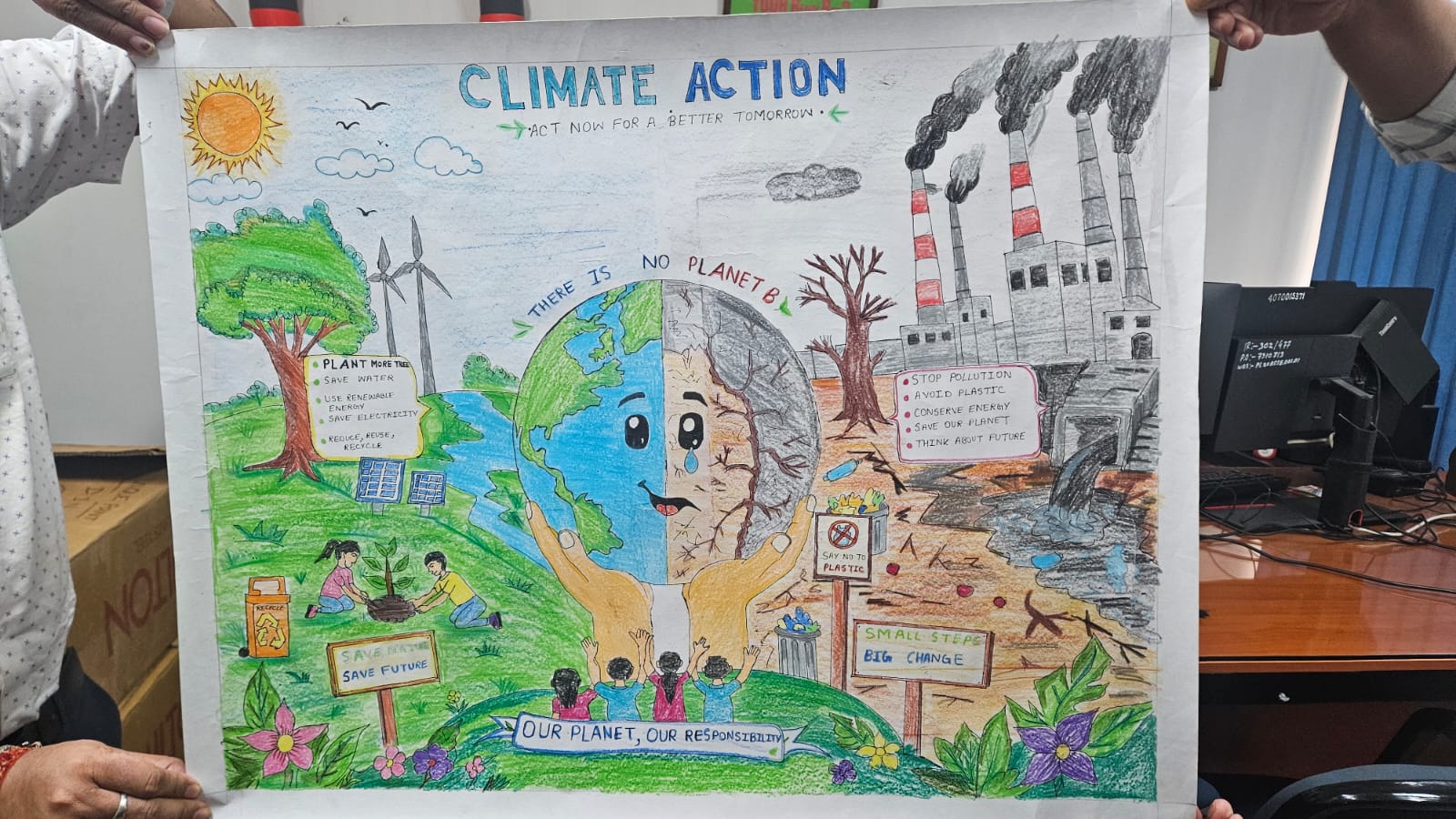
OIL engaged students through skit performances, quizzes and poster activities aimed at creating greater awareness of environmental issues and sustainable practices. - Reducing Single-Use Plastic:
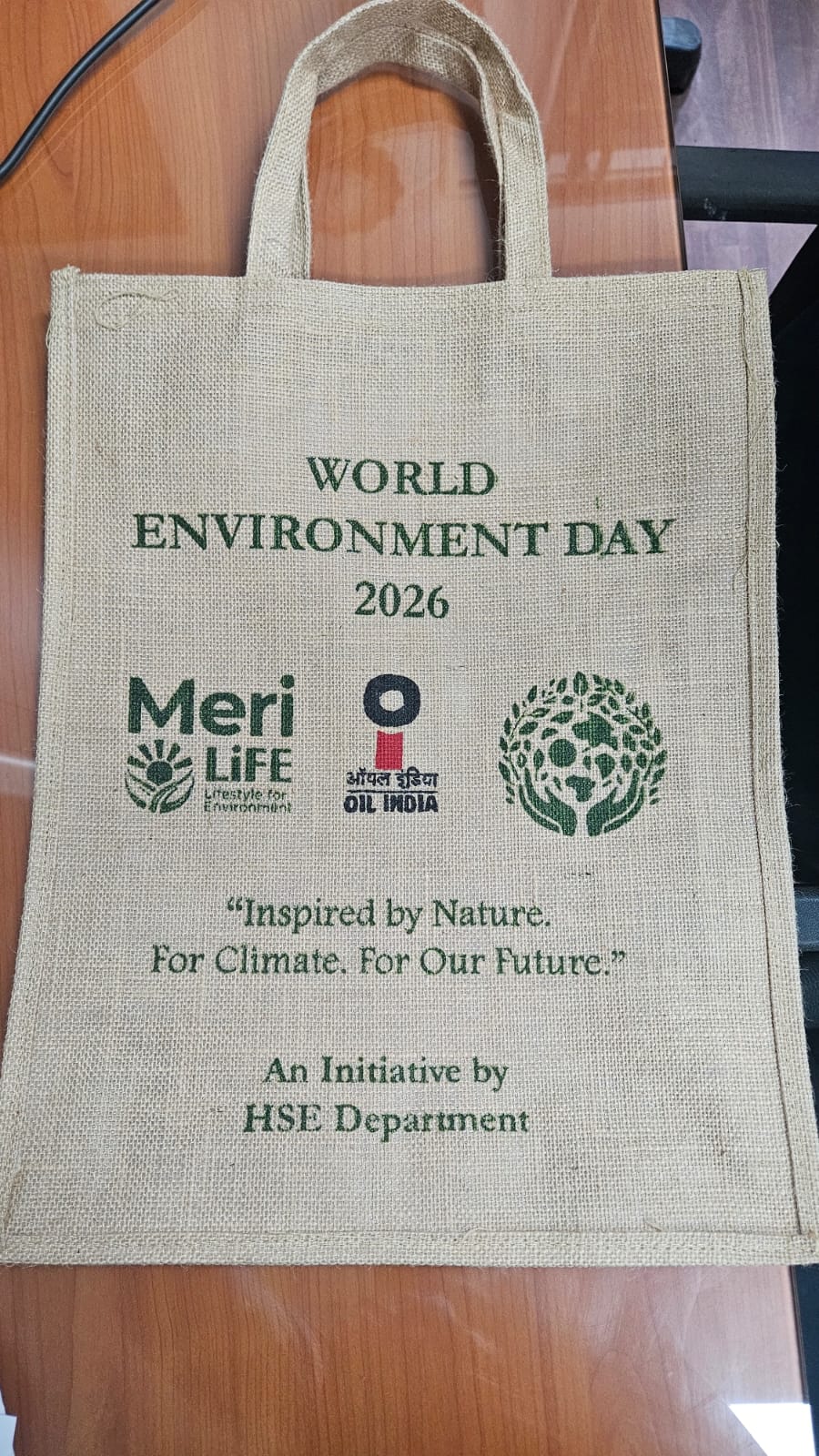
As part of its eco-friendly initiatives, OIL distributed reusable jute carry bags to participants, reinforcing the message of reducing single-use plastic. - Environmental Stewardship:
Through plantation, ecological restoration, biodiversity awareness and community engagement initiatives, OIL continues to strengthen its commitment to environmental stewardship and sustainable development.
The fire protection arrangement in oil and gas industry is based on Fire Safety, Loss Prevention and Control. It considered that in the hydrocarbon industry, the risk of fire is omni-present at all levels of operational activities like exploration, drilling, production, processing & transportation, Critical operations requirement, and large inventories stored at facilities. A fire in one part of these operational areas can endanger to other parts of the area, if not controlled or extinguished as quickly as possible to minimize the loss of life & property and prevent further spread of fire.
The fire protection arrangements at Oil India Limited (OIL) involve comprehensive measures to ensure the safety of their operational areas, establishments, and society at large. Here are some key aspects of fire prevention & fire protection system(s) as given below:
Fire Stations: OIL operates two full-fledged Fire Stations at Duliajan and Moran, covering the upper Assam Oil & Gas field areas. Additionally, there are Satellite Fire Stations at Makum, Tengakhat and Kumchai in Arunachal Pradesh to address fire prevention, protection, and firefighting in the oil field areas.
Track Record: The OIL Fire Service has a commendable track record in mitigating well fires, other major industrial fire emergencies as well as public fires in OIL’s operational areas of Assam & Arunachal Pradesh.
The Fire Service operates round the clock and is fully equipped with State-of-the-Art robust fire fighting equipment & Appliances to handle all types of fire emergencies.
Accreditations: Fire Stations at Duliajan and Moran are accredited with ISO certifications for Quality Management System (ISO-9001:2015), Environmental Management System (ISO-14001:2015), and Occupational Health and Safety Management System (ISO-45001:2018).
Collaborative Arrangements: Mutual Aid Agreements are also in place with nearby industries and State Fire Services to provide support during any major fires or blowouts. This collaborative approach ensures that even in remote areas, there is support available for handling fire emergencies
Firefighting Systems/Equipment: Installations are equipped with necessary fixed and portable firefighting equipment, complying with national and international statutory codes and standards such as OISD, OMR-2017, PNGRB, BIS, NFPA, UL Listed, etc. These equipment/ systems are mainly –
- First-Aid (Portable) Fire Fighting Equipment
- Fixed Fire Fighting System
- Mobile Fire Fighting Appliances
The provision of necessary portable & fixed fire fighting equipment/system are taken care right from the design stage of an installation and time to time its adequacy is being reviewed by the expert committee due to the change(s) in statutory standards.
Fire Safety Audits: The fire safety audit is a systematic, critical examination of all potential fire hazards in the installations/ establishments and relevant documents to ascertain how the installations are being managed regarding fire safety. These audits help assess compliance with applicable statutory requirements, codes, standards and established fire safety practices and facilitate continual improvement in fire prevention and protection measures.
Training Programs: A systematic training programs are being conducted throughout the year to enhance fire safety awareness and develop fire fighting skills amongst employees of all installation’s personnel.
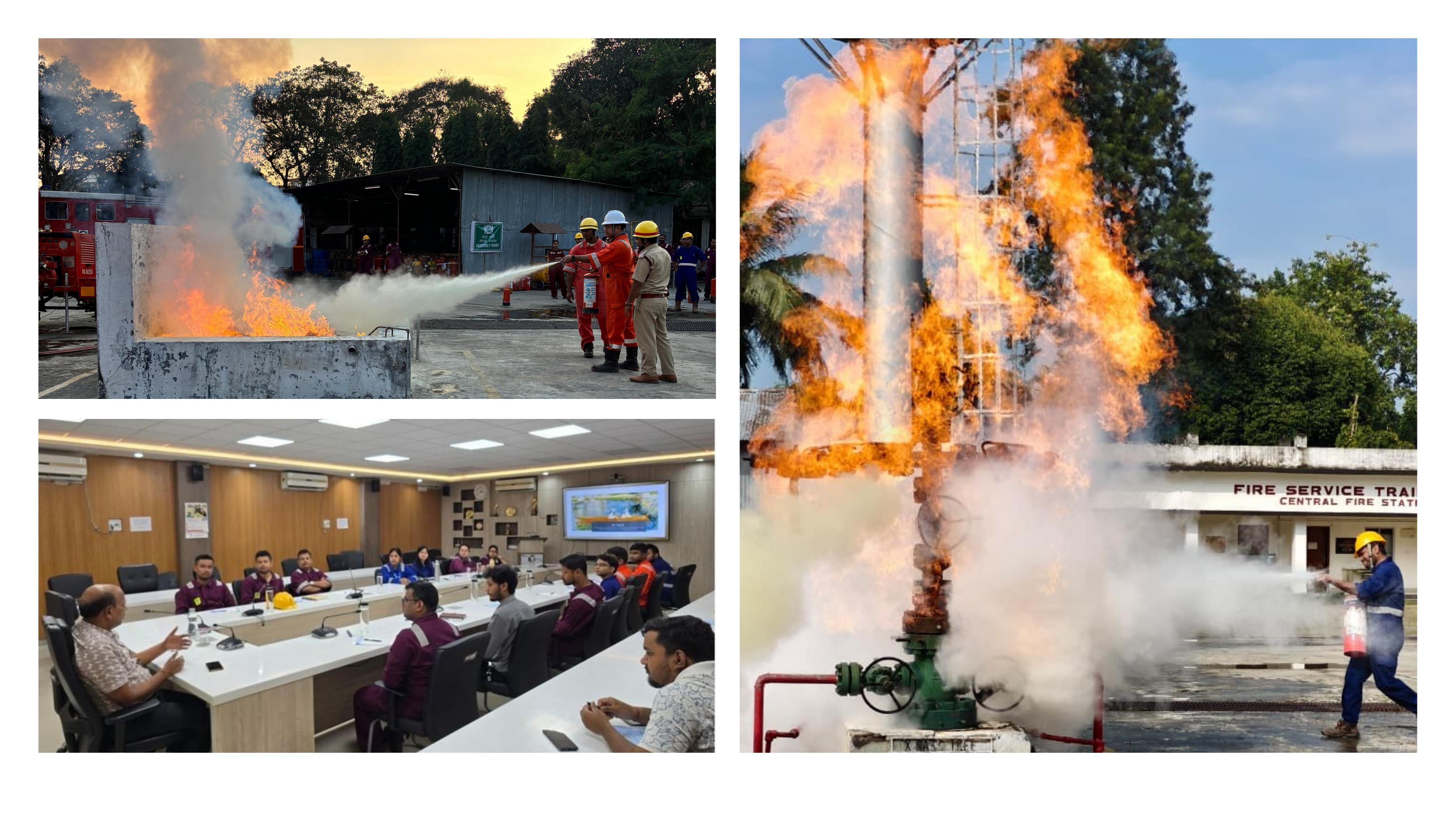
To further enhance the fire fighting capability of installation’s personnel across the company as well as outside industries, simulated Live Fire Fighting Trainings are also being imparted at Central Fire Station, Duliajan.
Moreover, Advanced Fire Fighting Training (Duration: 04Days) for all field going employees and executives of OIL are also being imparted to comply the statutory guidelines as per OISD-STD-176 which mainly covers all crucial fire fighting concepts & strategies along with hands-on training on all critical fire fighting equipment which are deployed in OIL’s installations.
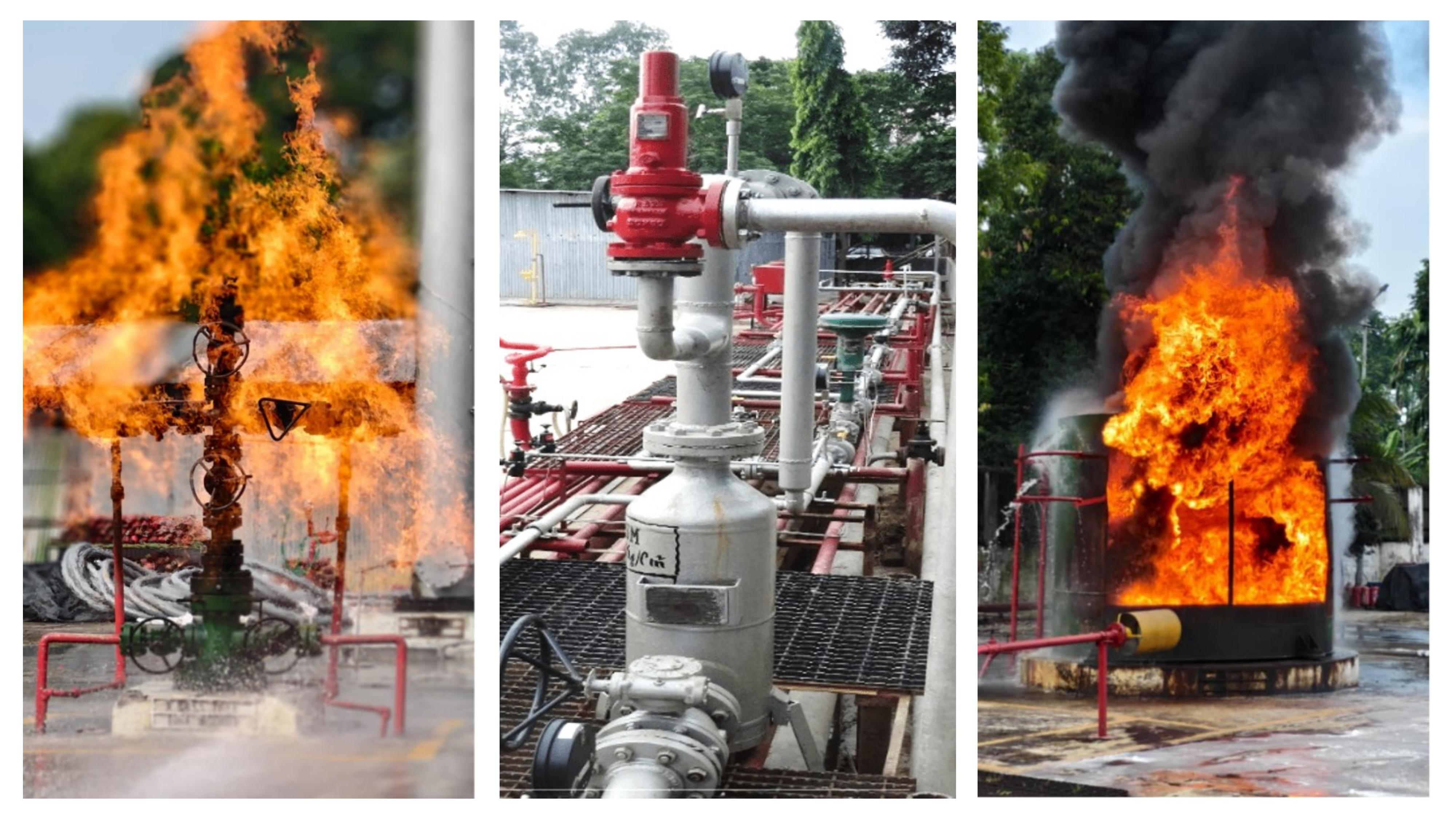
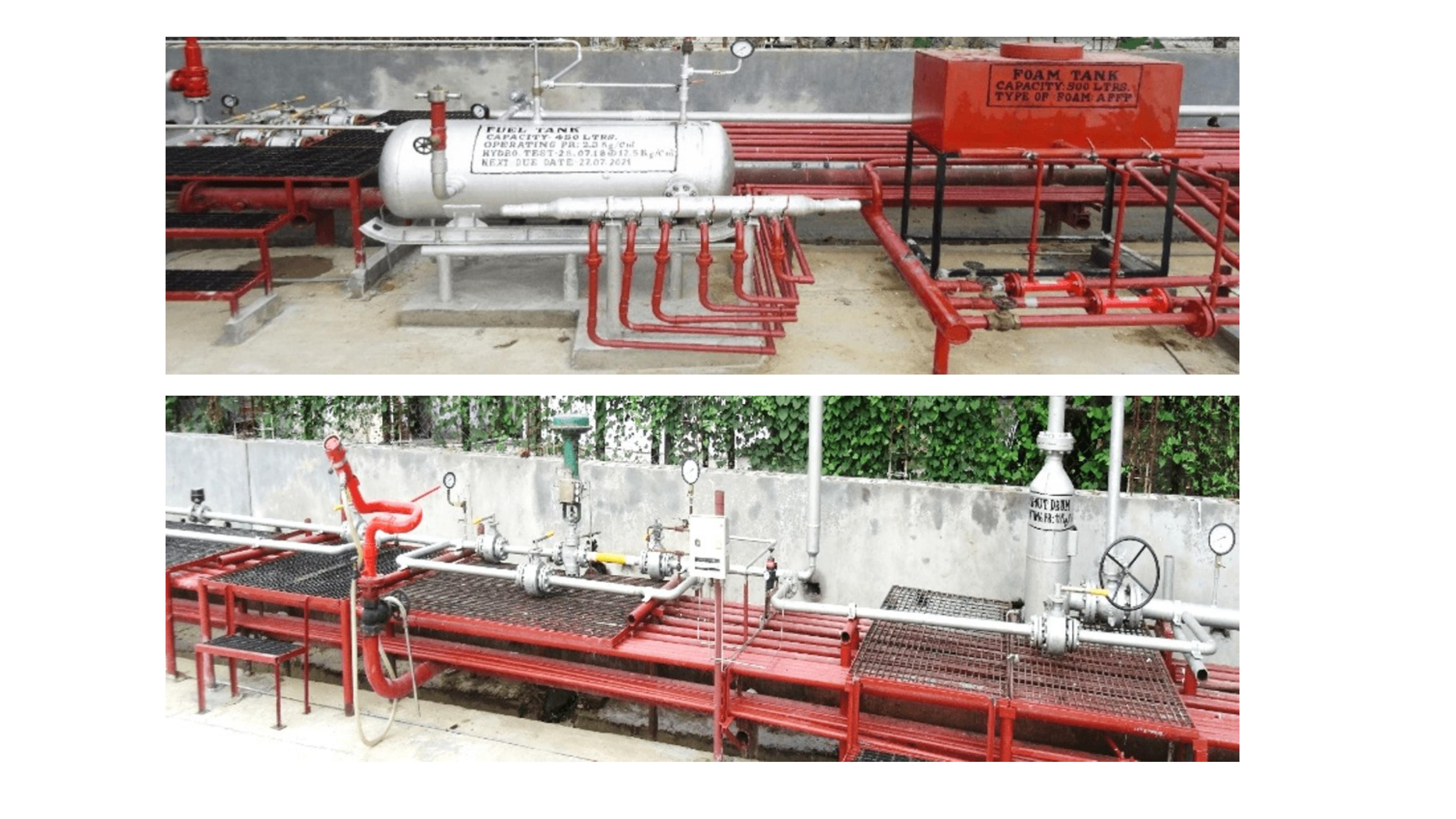
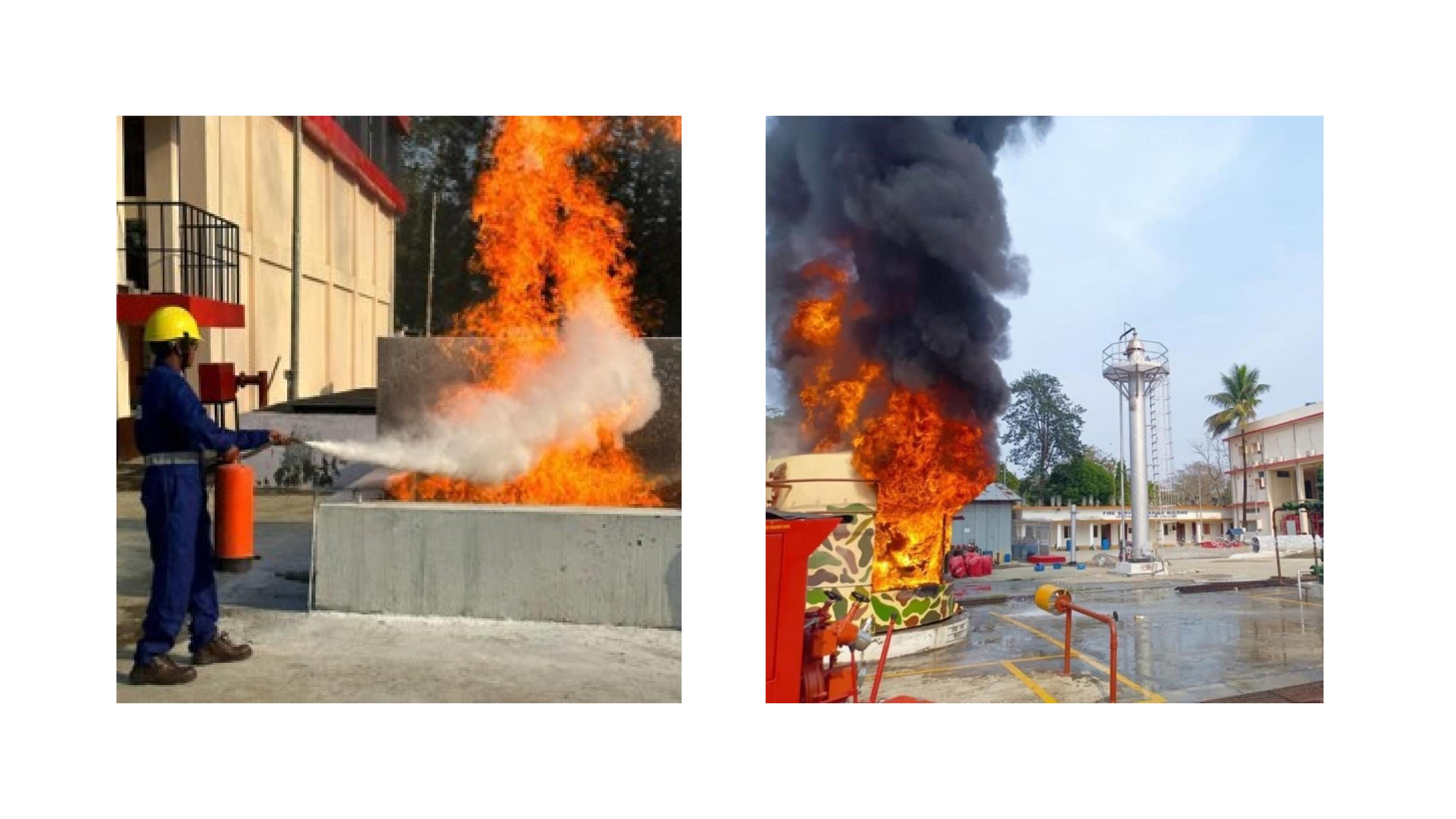
Live Fire Training Ground: To provide effective practical firefighting training, OIL has developed a Live Fire Training Ground at Duliajan Central Fire Station comprising various simulated fire scenarios. The training modules are charged with pressurised oil and gas and exposed to controlled sources of ignition to facilitate realistic hands-on firefighting exercises.
The training ground is equipped with a fire water network and fixed firefighting systems, including hydrants, water/foam monitors, water spray system and foam-pouring system, which enable trainees to operate firefighting systems under simulated emergency conditions.
The Live Fire Training Ground includes simulated fire scenarios such as X-Mass Tree Fire, Tank Fire, Column Fire, Vertical Flange Fire, Horizontal Flange Fire, Pit/Gas Broaching Fire and other specialised fire scenarios.
The Live Fire Training Ground includes simulated fire scenarios such as X-Mass Tree Fire, Tank Fire, Column Fire, Vertical Flange Fire, Horizontal Flange Fire, Pit/Gas Broaching Fire and other specialised fire scenarios.
These practical exercises are designed to enhance their confidence, competence, operational readiness & provide hands-on experience in handling different types of fire emergencies encountered in oil and gas installations.
.jpg)

.jpg)
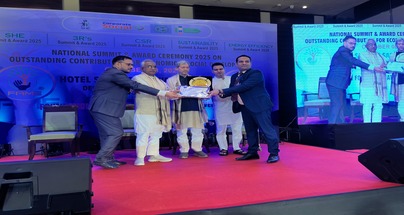
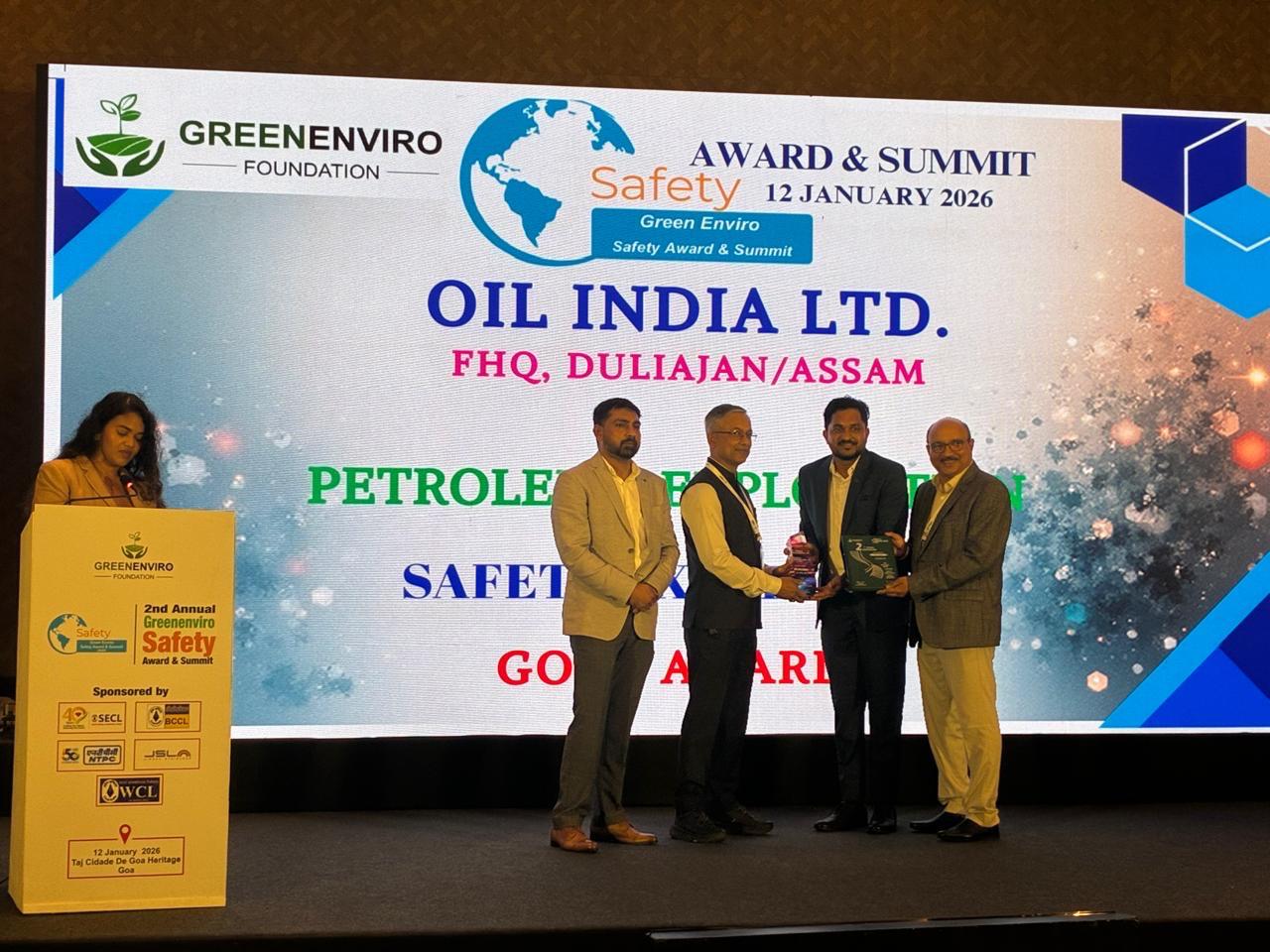
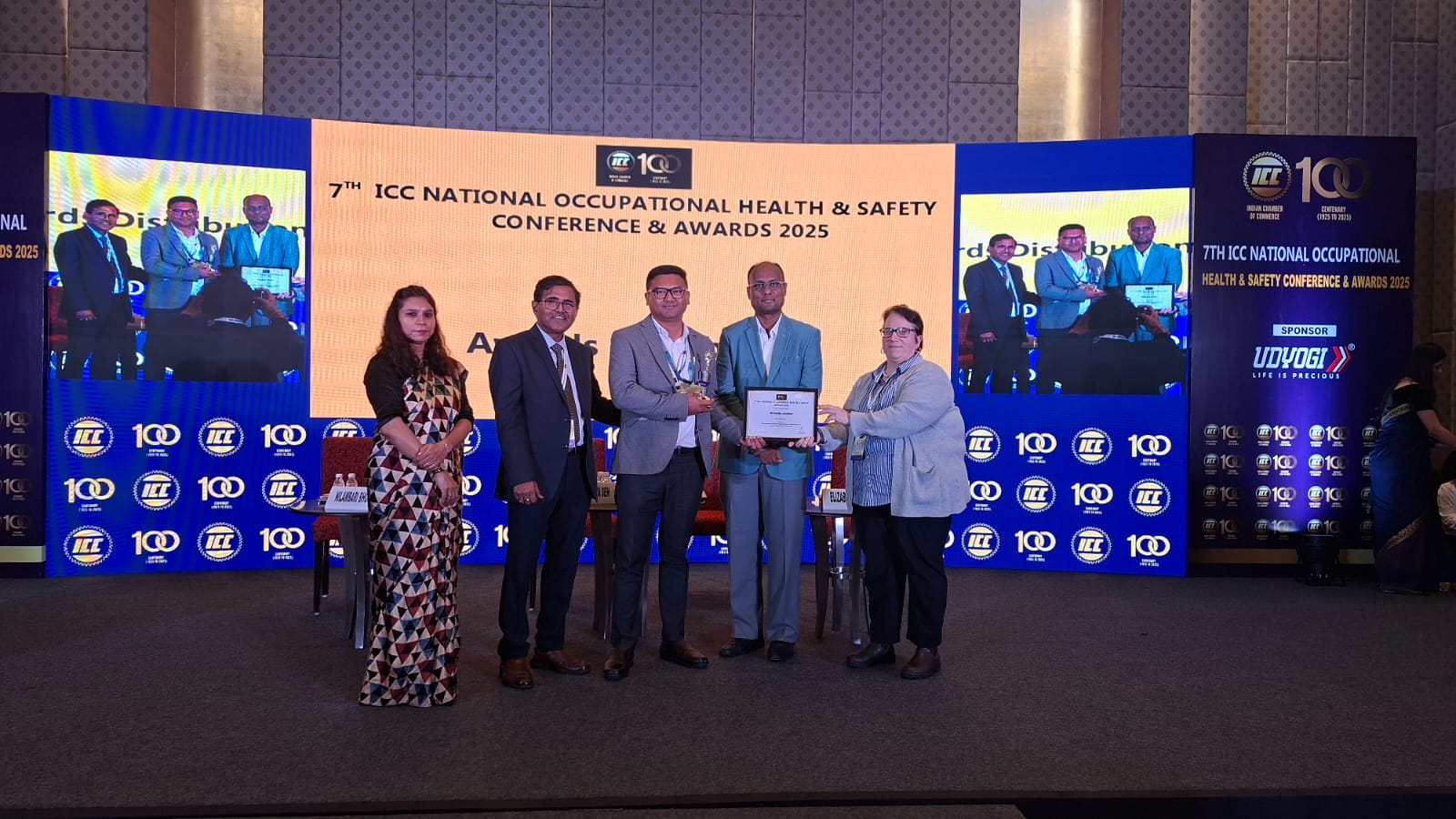
Oil India Limited was conferred the Global Environment Award 2026 (Platinum Award) for Oil and Gas in recognition of its outstanding achievements in environment management and continued commitment to environmental excellence and sustainability.
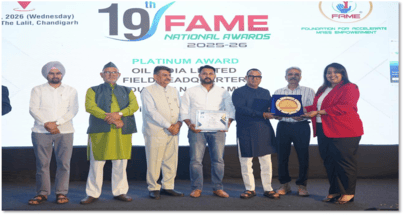
Oil India Limited was awarded the Environment Excellence Award 2026 in the Platinum Category at the 19th FAME National Awards 2025–26, recognising its commitment to environmental stewardship, sustainable operations and eco-friendly practice.


