Climate Change & Energy
Achieve Net Zero in 2040 through Energy management and GHG reduction initiatives

Biodiversity
Promote biodiversity conservation and restoration through mass plantations and well restoration

Water Conservation
Efficient Water management through Produced water recycling, Zero Liquid Discharge, and Risk management

Climate Change and Energy
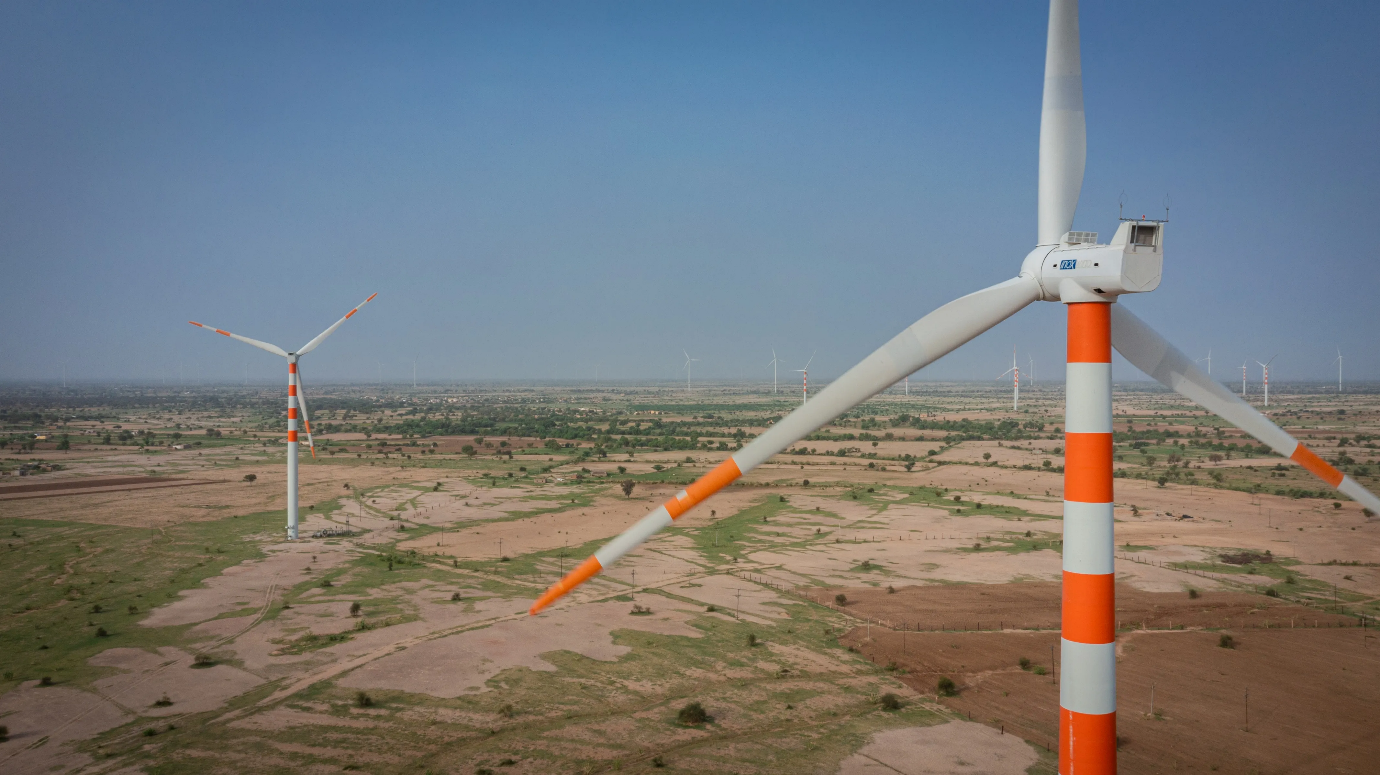
Oil India Limited (OIL) is committed to achieving net-zero Scope 1 and Scope 2 emissions by 2040 through a comprehensive strategy focused on energy efficiency, emission reduction, and renewable energy adoption. The Company is enhancing operational efficiency through equipment modernization, reduction of gas flaring, and expansion of renewable energy capacity, with a target of developing 5-5.5 GW of renewable power by 2040. OIL is also advancing initiatives in green hydrogen, biofuels, and carbon capture technologies, while pursuing zero routine flaring and strengthening water and waste management practices. Supported by a robust ESG governance framework, these efforts contribute to climate risk mitigation, align with global sustainability best practices and reinforce OIL’s commitment to supporting India’s energy transition and long-term decarbonization goals
Biodiversity
Oil India Limited (OIL) is committed to biodiversity conservation through initiatives such as afforestation, restoration of well sites and plantation in abandoned well locations. The Company undertakes Environmental Impact Assessment (EIA) studies to identify and evaluate potential environmental impacts, implement effective mitigation measures, ensure regulatory compliance, and promote the sustainable & responsible development of hydrocarbon resources. OIL also collaborates with local communities and institutions to support biodiversity conservation and ecological restoration efforts.

Water Conservation
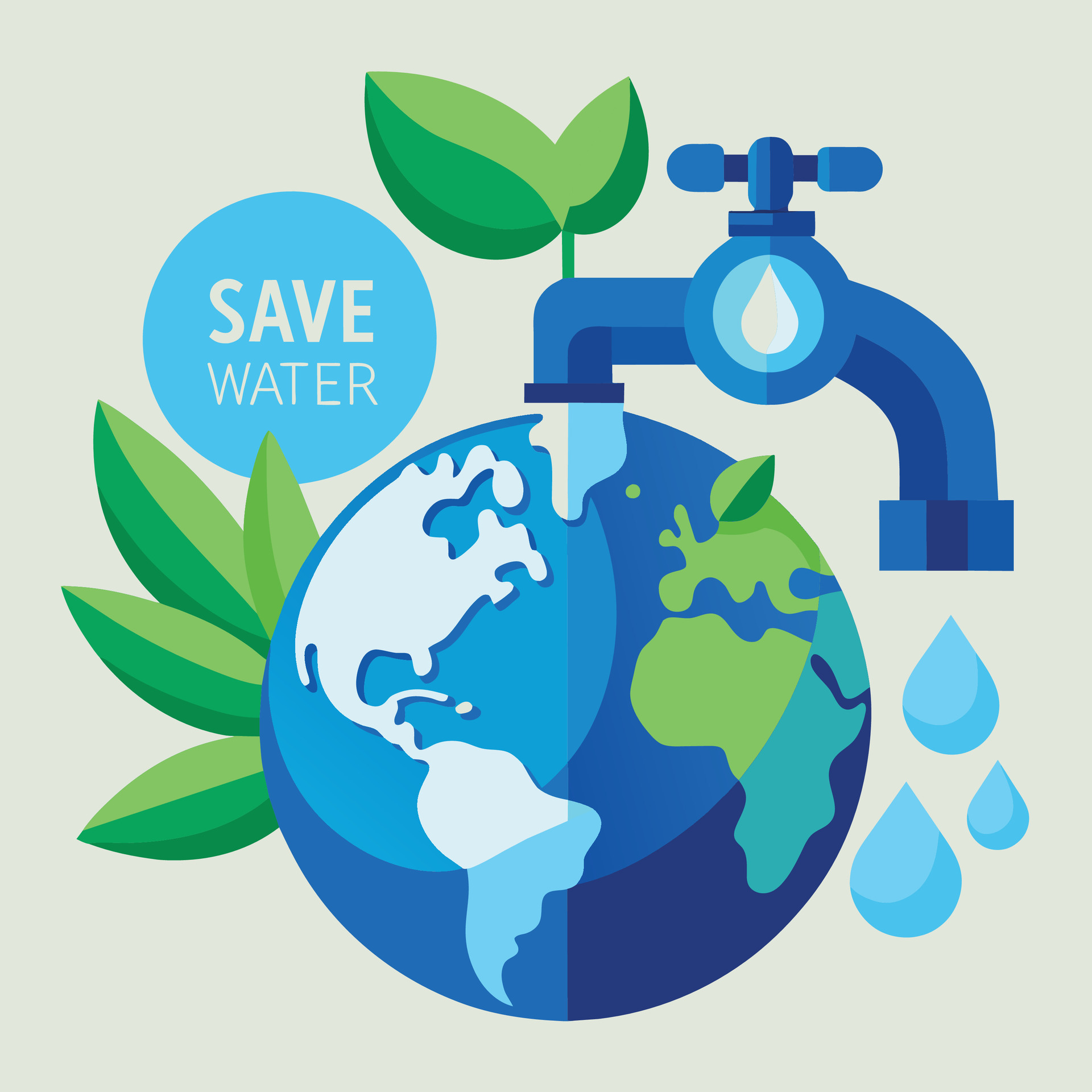
The Company places strong emphasis on sustainable water management through initiatives such as water recycling, rainwater harvesting, deployment of fixed and mobile Effluent Treatment Plants (ETPs) and produced water re-injection, enabling Zero Liquid Discharge (ZLD) across its operations. In water-stressed regions such as Rajasthan, aquifer recharge projects further strengthen OIL's water conservation efforts, reinforcing its commitment to responsible resource management, environmental stewardship and long-term sustainability
Circular Economy
Oil India Limited (OIL) focuses on waste management and circular economy through initiatives like recycling of drilling and workover fluid, bioremediation and resource recovery. The Company is actively developing CBG plants across India using diverse feedstocks, including Municipal Solid Waste (MSW), agricultural residues and other organic biomass. The initiative is a key component of the Company’s clean energy and circular economy strategy, aimed at promoting sustainable waste management while enhancing the domestic production of green fuels.

OIL joins the Oil and Gas Decarbonization Charter (OGDC)
Launched at COP28 in 2023, the OGDC represents a major advancement in the industry's collective effort to lower greenhouse gas emissions from oil and gas operations. The Oil & Gas Decarbonization Charter (OGDC) is a unique collaboration to accelerate the decarbonization of the global oil and gas sector by fostering inclusive industry cooperation and knowledge sharing. Already endorsed by companies representing 43% of global oil and gas production, the Charter lays out a series of ambitions towards net-zero operations by or before 2050. Charter members recognize that climate change is a serious threat to the planet. The transition to low carbon emissions energy systems is gaining pace.
By signing this charter, OIL aligns itself with global best practices in environmental stewardship, operational efficiency and investment in research and developm

Advanced Methane & CO₂ Detection Initiative
As a signatory to the Oil & Gas Decarbonization Charter (OGDC), launched at COP28, OIL is committed to advancing toward near-zero upstream methane emissions and zero routine flaring, while ensuring transparent measurement and reporting of operational emissions.
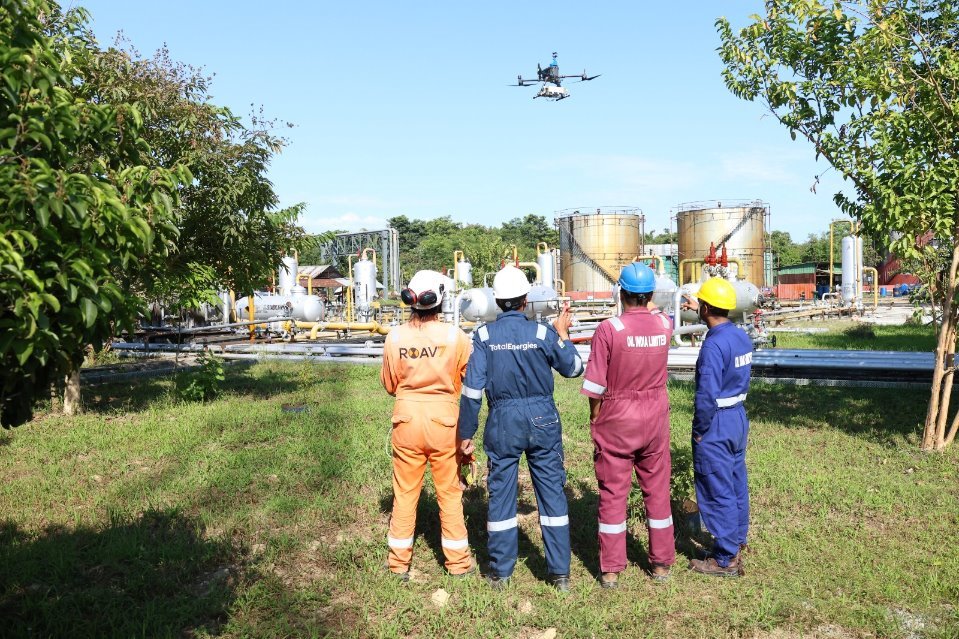
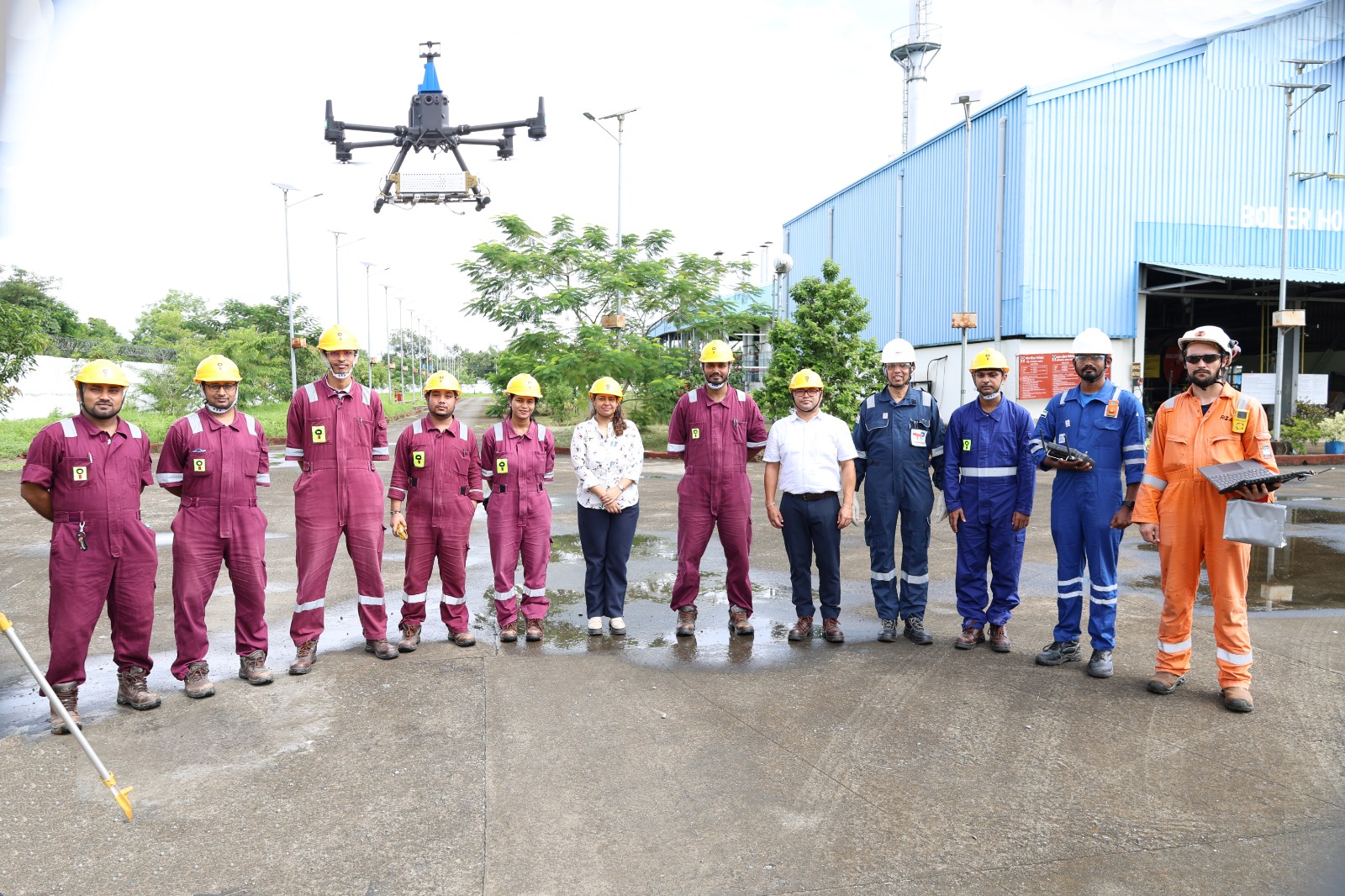
In furtherance of this commitment OIL entered into a Cooperation Agreement with TotalEnergies to undertake methane emissions detection and measurement campaigns using the advanced AUSEA (Airborne Ultralight Spectrometer for Environmental Applications) technology across various operational sites in FHQ Duliajan. The drone-mounted AUSEA system, equipped with dual sensors, enabled precise asset- and source-level measurement of methane (CH₄) and carbon dioxide (CO₂) emissions, including hard-to-reach areas.
The insights generated are supporting OIL in developing targeted, data-driven mitigation strategies and remedial action plans aimed at reducing emissions and strengthening its roadmap toward near-zero upstream methane emissions.
Accelerating Clean Mobility
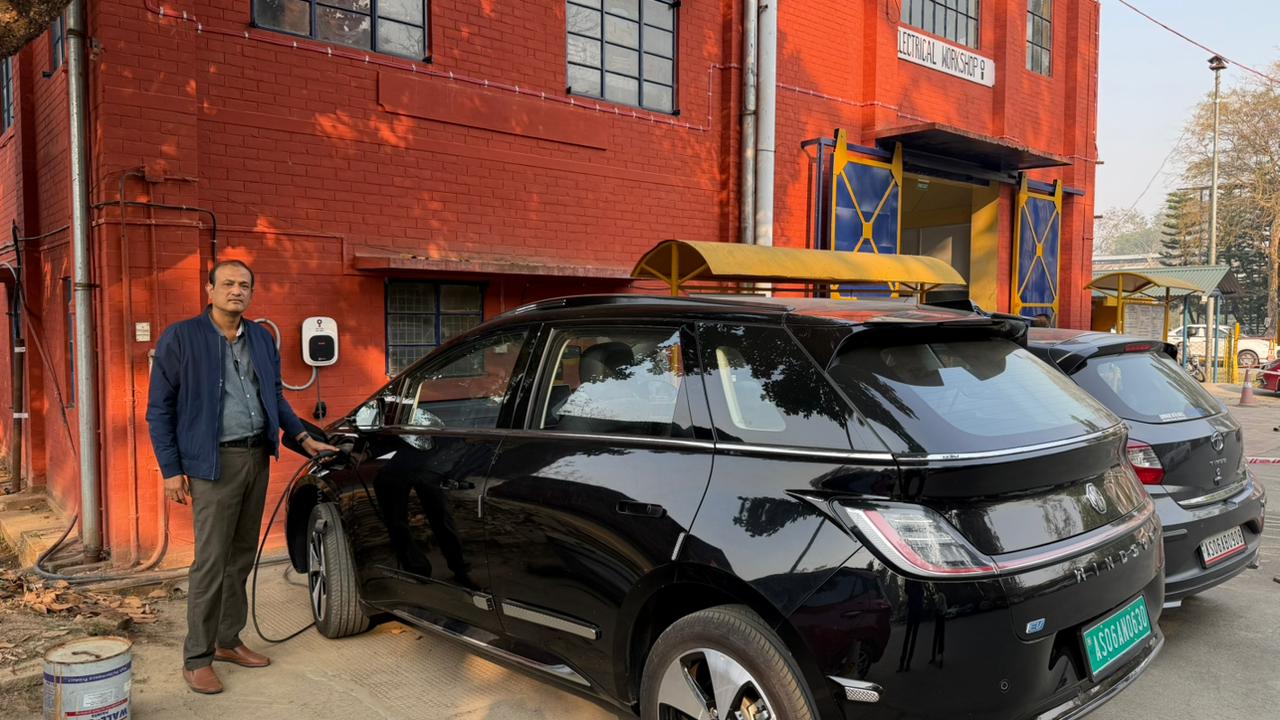
To promote low-carbon transportation, OIL has strengthened its clean mobility ecosystem through the installation of Electric Vehicle (EV) charging stations across key office locations. Currently, a total of 20 EV chargers are operational, including 2 at OIL Guwahati, 8 at OIL Duliajan, 3 across NRL locations in Siliguri, Numaligarh and Guwahati, 2 at OIL Kolkata, 3 at OIL Noida (WTC), and 2 at OIL Jodhpur.
By integrating EV infrastructure within its premises, OIL supports the transition towards cleaner transportation solutions and reinforces its proactive approach to reducing emissions associated with workplace commuting. The initiative also fosters a sustainable commuting culture by encouraging the adoption of electric vehicles among employees, promoting responsible and environmentally conscious mobility practices
EcoTrail – Promoting Sustainable Mobility
In alignment with its Net Zero 2040 commitment, OIL launched the Eco Trail mobile app to encourage cycling and walking for office commuting and promote sustainable lifestyle choices at the individual level while supporting the reduction of indirect (Scope 3) emissions associated with workplace mobility.
EcoTrail is a smart, app-based platform designed to reduce GHG emissions from daily commutes. The app tracks distance travelled through non-motorised transport using real-time GPS, calculates CO₂ emissions avoided, and displays individual contributions through simple, engaging visuals and leaderboard rankings.
The feature is empowering employees to actively participate in OIL’s sustainable journey while promoting a healthier and greener workplace culture.