

Geo Science Group
Since the discovery of Digboi in 1889, OIL has been harnessing the nation’s hydrocarbon resources across diverse and challenging terrains—from the densely vegetated landscapes of the East to the arid regions of the West. Behind this journey is a dedicated team of geoscientists, comprising geophysicists and geologists, who play a vital role in exploring, evaluating and developing India’s oil and gas resources.
Geophysics:
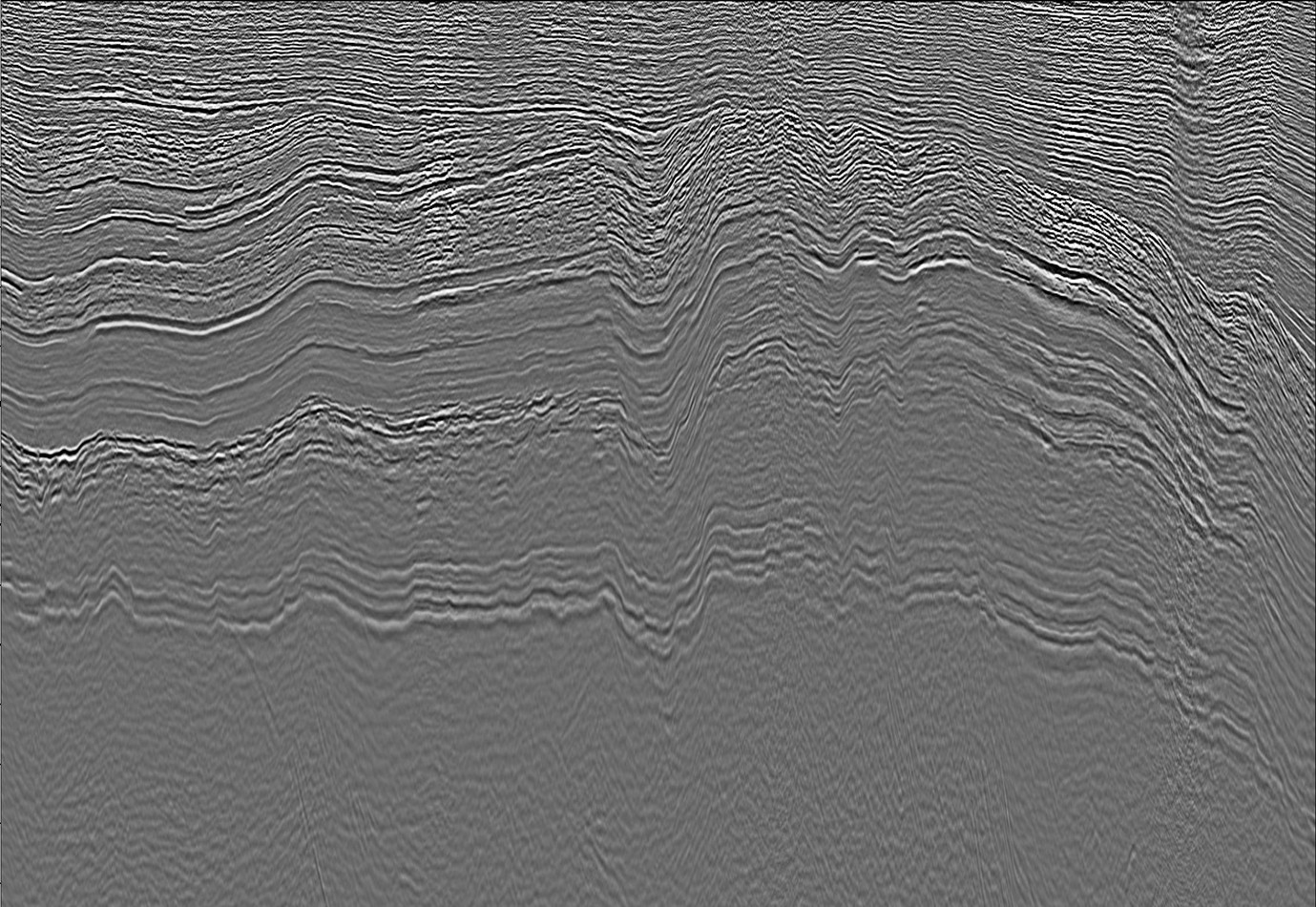
Geophysical exploration techniques play a pivotal role in the exploration and development of hydrocarbon resources. Among various geophysical methods, seismic prospecting remains the most reliable and widely adopted technique for imaging the subsurface and reducing exploration uncertainty.
The Geophysics discipline applies advanced geophysical technologies to support OIL's exploration and development objectives. Geophysicists provide critical subsurface insights and geoscientific inputs that enable the development of realistic geological and reservoir models, facilitating informed decision-making across the hydrocarbon value chain.
Core activities of Geophysics discipline encompass Seismic Data Acquisition, Processing, Interpretation, Reservoir Geophysics Studies including Geomechanics, and the application of various non-seismic geophysical methods. While seismic exploration forms the backbone of hydrocarbon prospecting, non-seismic techniques play an equally important role in frontier basin evaluation, prospect delineation, and specialized exploration challenges.
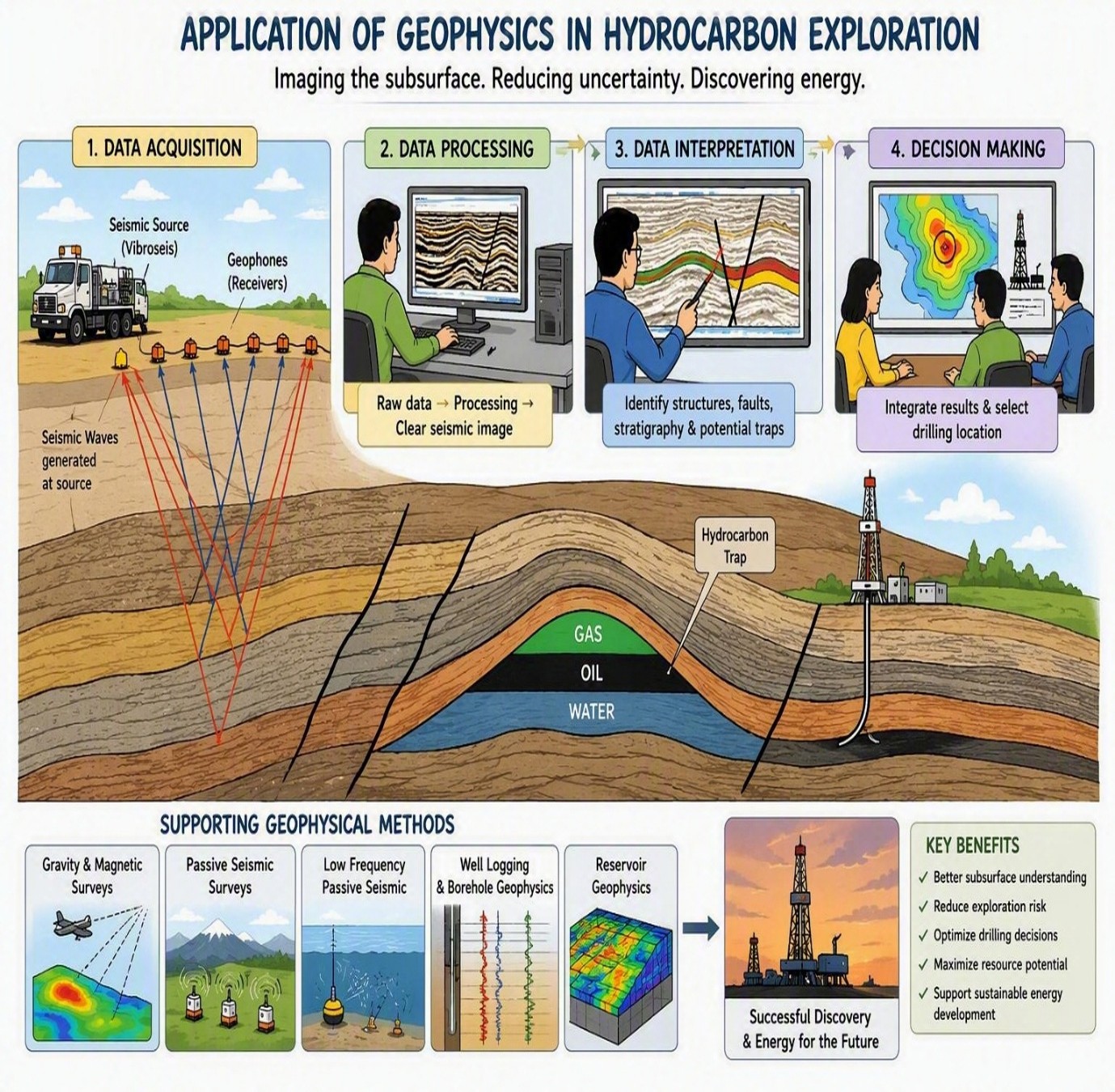
Aligned with OIL's vision of technological excellence and sustainable growth, the Geophysics Department continuously scouts & adopts innovative and fit-for-purpose technologies to address evolving exploration challenges, particularly in geologically complex and frontier areas. Notable technologies inducted and implemented include:
- Airborne Gravity Gradiometry & Magnetics (AGG & GM)
- Passive Seismic Surveys
- Low-Frequency Passive Seismic Technology
- Advanced Reservoir Geophysics Studies
- Integrated Geophysical Interpretation Workflows
The Geophysics Department also serves as the central custodian of all geophysical data and associated information across the organization. It acts as the designated nodal agency for geophysical data management, archival, and exchange with external agencies, industry partners, and regulatory authorities.
Geophysicists provide technical support across OIL's domestic and overseas assets through the planning, monitoring, quality control, and supervision of geophysical data acquisition, processing, and interpretation activities. Their expertise ensures the generation of high-quality geophysical data and reliable subsurface interpretations that support exploration and field development initiatives.
The Geophysics Department also supports the Government in National Seismic programs and Geophysical studies as per the responsibility entrusted from time to time. Key initiatives such as National Seismic Program (NSP), Mission Anveshan, Extended Continental Shelf, Resource Assessment of all sedimentary basins have been implemented till date.
Through technological innovation, scientific excellence, effective data stewardship, and an unwavering commitment to safety, the Geophysics Department continues to contribute significantly towards OIL's mission of enhancing hydrocarbon reserves, improving exploration success, and strengthening the nation's energy security.
Geology – Main Producing Area (NER)
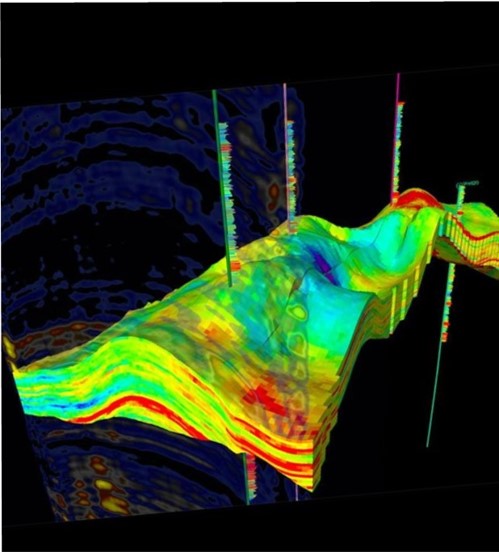
Exploration and field development activities in OIL’s Main Producing Area are supported by a dedicated multidisciplinary team of geologists, reservoir engineers, petrophysicists and geophysicists. The team undertakes integrated geological and reservoir studies aimed at unlocking the full hydrocarbon potential of the Upper Assam Shelf of the Assam-Arakan Basin.
With a focus on innovation and continuous improvement, the team actively adopts emerging technologies, advanced subsurface workflows and improved reservoir characterization techniques to enhance exploration success, optimize field development and maximize recovery from OIL’s green and matured resources.
The endeavour is to continually refine established practices, identify new opportunities and develop a deeper understanding of the subsurface, thereby maximizing the hydrocarbon potential of OIL’s Main Producing Area in a safe, efficient and sustainable manner.
Rajasthan :
OIL’s geoscience journey in Rajasthan dates back to the 1980s, when the first seismic surveys were undertaken in the region. The exploration efforts led to the discovery of hydrocarbons in the Jaisalmer Basin through well Tanot-1 in 1988, followed by significant gas discoveries in the Dandewala and Bagitibba fields. Subsequently, the Baghewala Heavy Oilfield in the Bikaner-Nagaur Basin was discovered through well Baghewala-1 in 1991.
Building on this exploration legacy, the Rajasthan Fields team is pursuing an aggressive field development program to enhance heavy oil production from the Baghewala Field. The development strategy is supported by innovative production technologies and interventions, including Cyclic Steam Stimulation (CSS), barefoot completions, horizontal drilling aimed at improving reservoir performance and maximizing recovery from this challenging heavy oil resource.
At the same time, the team is expanding its exploration footprint into new areas of the Cambay Basin, leveraging OIL’s geoscience expertise and subsurface knowledge to identify and evaluate emerging hydrocarbon opportunities. This renewed focus on frontier and underexplored areas is aligned with OIL’s broader objective of replenishing reserves, unlocking new resources and creating the next generation of producing assets.
The Rajasthan Exploration Asset Management (REAM) Centre serves as the dedicated centre for managing exploration and development activities in the region. The Centre leverages integrated geoscience, advanced data analytics and data-driven solutions to accelerate evaluation, optimize field development strategies and expedite critical subsurface decision-making.
Through a combination of exploration experience, technological innovation, enhanced recovery techniques and data-driven workflows, OIL’s Rajasthan team continues to maximize recovery from its existing assets while simultaneously opening up new exploration frontiers in Rajasthan and the Cambay Basin.
KGB & MBP :
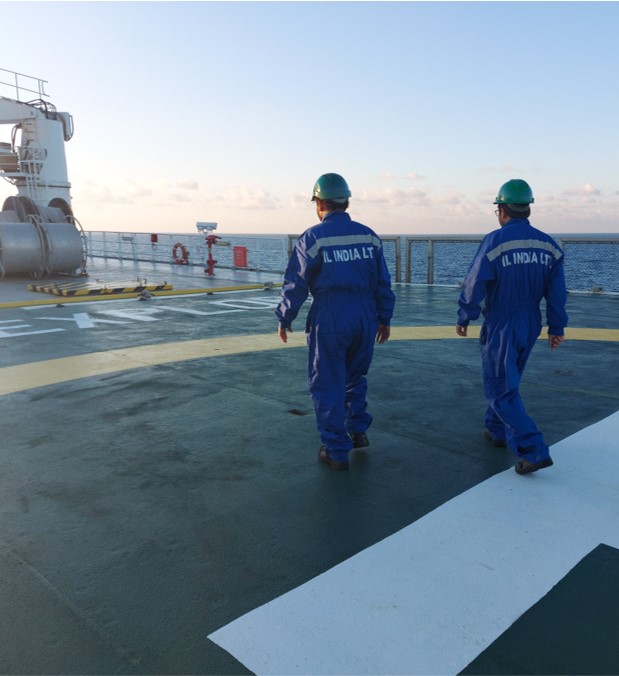
OIL’s offshore exploration journey dates back to 1978, when it made its first foray into offshore exploration in the Mahanadi Basin, undertaking exploration activities in the North-East Coast (NEC) Offshore and Mahanadi Onshore & Offshore areas through its Bay Exploration Project at Bhubaneswar. OIL subsequently extended its offshore exploration footprint to the Andaman Basin, progressing from shallow to deep-offshore exploration. The Company further expanded its presence in the Krishna-Godavari (KG) Basin, with exploration activities commencing in 2006-07 following the award of the NELP-VI block KG-ONN-2004/1. Over the years, OIL developed its offshore capabilities by working in complex offshore environments (HPHT wells) in the KG Basin, strengthening its technical preparedness for challenging subsurface conditions.
Under the Open Acreage Licensing Policy (OALP) regime, OIL was awarded, in 2019, five onshore blocks in the Mahanadi Basin, two shallow offshore blocks in the Andaman Basin and one shallow offshore block in the Kerala-Konkan Basin. OIL was also awarded the shallow offshore DSF-II block KG/OSDSF/GSKW/2018 in the KG Basin in 2019. To provide a dedicated operational and project-management framework for its expanding portfolio in the region, OIL established the Kakinada office for managing KG Basin activities and the Mahanadi Basin Project (MBP) office at Bhubaneswar for managing activities in the Mahanadi Basin. These dedicated centres provide technical, operational and coordination support for the effective execution of exploration and development activities in the region.
A major milestone in OIL’s ongoing offshore expansion has been the award of five ultra-deepwater blocks under OALP-IX round in the KG and Mahanadi Basins, with 100% operatorship in four blocks and one block held in a joint venture with ONGC as operator. The acquisition of this acreage marks a significant progression in OIL’s offshore journey from its early exploration efforts in the Mahanadi Basin to its present focus on deep and ultra-deepwater frontiers.
The focus is now on building a strong and sustained presence along India’s eastern seaboard, with the KGB and MBP teams driving exploration and project activities across the offshore frontiers.
Exploration Basin & Frontier Basin (NER):
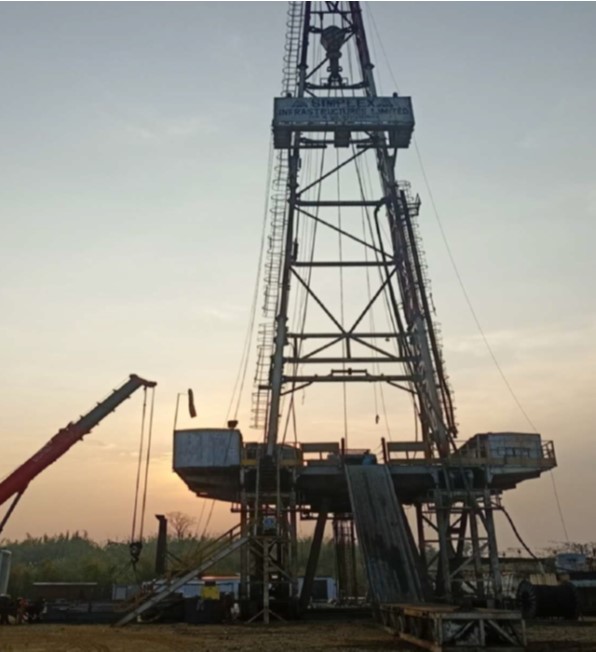
Hydrocarbon exploration in the Northeast has been ongoing for nearly 150 years. Building on this rich exploration legacy, the Exploration Basin Department undertakes comprehensive evaluation of the untapped near-field opportunities, unexplored areas within OIL’s Main Producing Area in Assam Shelf and frontier regions of the Northeast. The team leverages modern interpretation tools, advanced technologies and integrated geoscience workflows to identify new prospects and unlock the remaining hydrocarbon potential of the region.
Over the years, the Department has evolved from a predominantly regional exploration function into a center of excellence for basin-scale and regional geoscience evaluation. Its activities encompass regional assessments, basin-scale studies, new acreage evaluation, prospect generation and exploration planning, providing critical subsurface inputs for both existing and emerging exploration opportunities.
The Department also supports pan-India exploration initiatives, working closely with various field and exploration groups, including Frontier Basin Department (operates the frontier Nominated PL/NELP/OALP Blocks in NER) , KGB & MBP and Rajasthan Fields. By integrating regional geological understanding with advanced geophysical and geoscientific interpretation, it helps identify exploration opportunities beyond established producing areas and supports informed decisions on future acreage and exploration programs.
As the nerve center of OIL’s exploration activities, the Exploration Basin Department plays a pivotal role in shaping the Company’s exploration portfolio. Future exploration planning, identification of new play concepts and prioritization of prospective areas remain key focus areas, ensuring a sustained pipeline of opportunities for OIL’s next phase of growth.
Centre of Excellence for Energy Studies (CoEES)
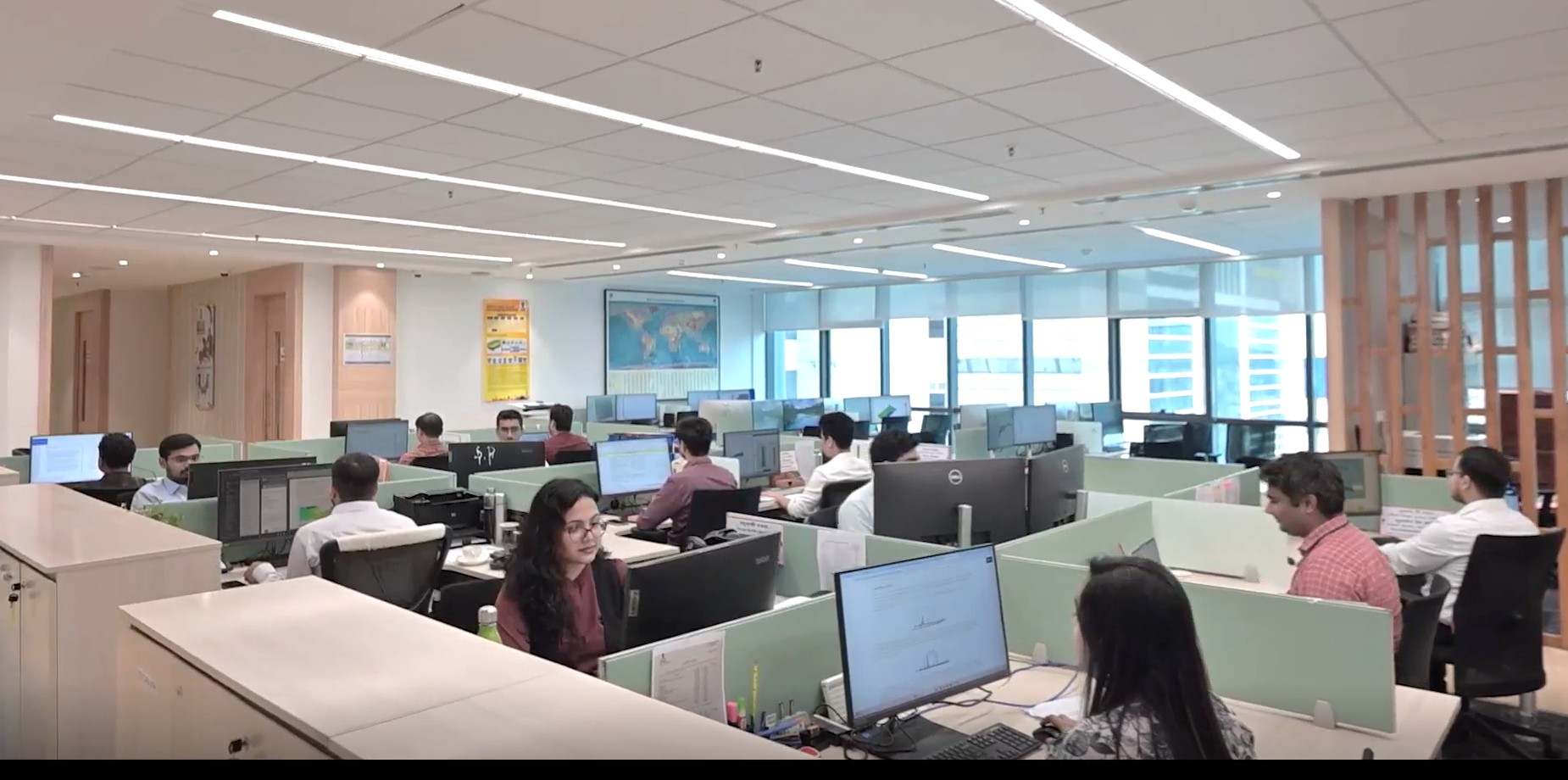
Since its inception on 14th March 2011, the Centre of Excellence for Energy Studies (CoEES) has progressively metamorphosed into a centre of scientific and technological excellence, delivering high-impact, knowledge-intensive solutions across strategically consequential domains including PSM, EOR, Sedimentology, CCS/CCUS, Geothermal Energy, and Critical Minerals Exploration. The Centre’s scientific credentials are further substantiated by its recognition as a Research Institute by the Department of Scientific and Industrial Research (DSIR), Ministry of Science and Technology, Government of India, in April 2014. CoEES is a Designated Institute for screening and vetting Enhanced Recovery Projects, pursuant to the Gazette of India notification of MoP&NG dated 24th November 2020. CoEES endeavours remain unequivocally anchored in deepening subsurface understanding, augmenting resource recovery, and advancing low-carbon technologies for sustainable, resilient, and economically viable energy development.
The Centre is equipped with the State-of-the-Art infrastructure comprising of industry standard geological and reservoir modelling, simulation, EOR screening, Petroleum System Modelling, Petro-physical software and high-end workstation infrastructure, and advanced geological, geochemical and EOR laboratory facilities, supported by a multidisciplinary cadre of Geologists, Reservoir Engineers and Chemists. A state-of-the-art Centralized Core Repository, currently under construction at Guwahati and envisaged as the first of its kind in South-East Asia, will further augment these capabilities through systematic core and drill-cutting preservation, advanced laboratory analysis, digital core imaging and viewing, and internationally benchmarked digital archiving.
In consonance with OIL’s strategic diversification and the nation’s imperatives of resource and energy security, CoEES has also expanded its mandate into critical mineral exploration and development, with active engagements in Graphite, Vanadium and Potash, while simultaneously spearheading the exploration and development of India’s geothermal resources.
These initiatives position the Centre at the confluence of conventional hydrocarbon expertise, critical-mineral security and emerging low-carbon energy technologies, reinforcing its role in shaping a diversified, resilient and future-ready energy portfolio.
Well Logging :
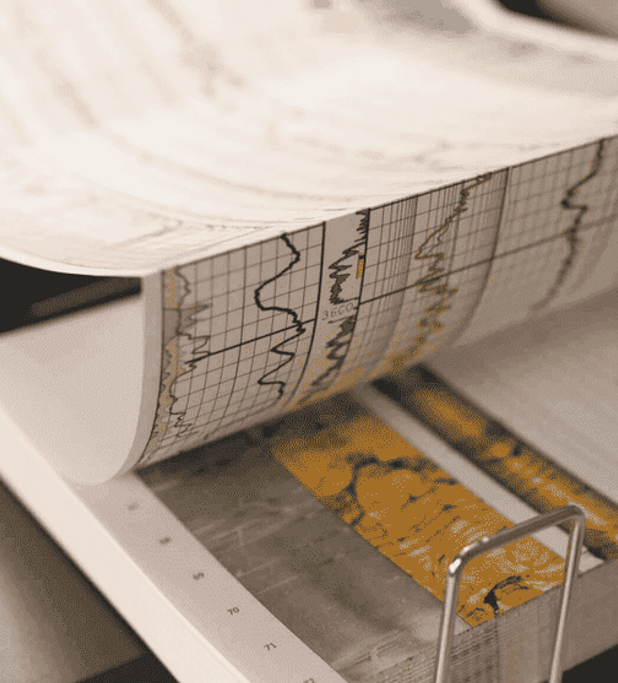
Well Logging is an essential component of subsurface evaluation, involving the recording and interpretation of rock and fluid properties against well depth to identify potential hydrocarbon-bearing formations, characterize reservoirs and assess their producibility. OIL’s Well Logging Department (WLD) was established in 1978 under the directive of the Ministry of Petroleum & Chemicals with the objective of developing in-house capability, promoting self-reliance and reducing dependence on foreign services.
Since its inception, the Department has been providing reliable and quality wireline logging services across OIL, with expertise in both Open Hole and Cased Hole Logging operations. The Department provides a comprehensive range of basic wireline logging and well completion services, along with specialized logging services, including log data processing and interpretation.
A dedicated in-house maintenance team supports the Department’s logging operations by undertaking repair and maintenance of logging tools, systems and associated hardware, enhancing operational reliability and reducing dependence on external maintenance support.
The Department is equipped with state-of-the-art wireline logging units and advanced software to undertake formation evaluation and reservoir characterization studies and support informed decision-making during exploration, appraisal, development and production activities.


